
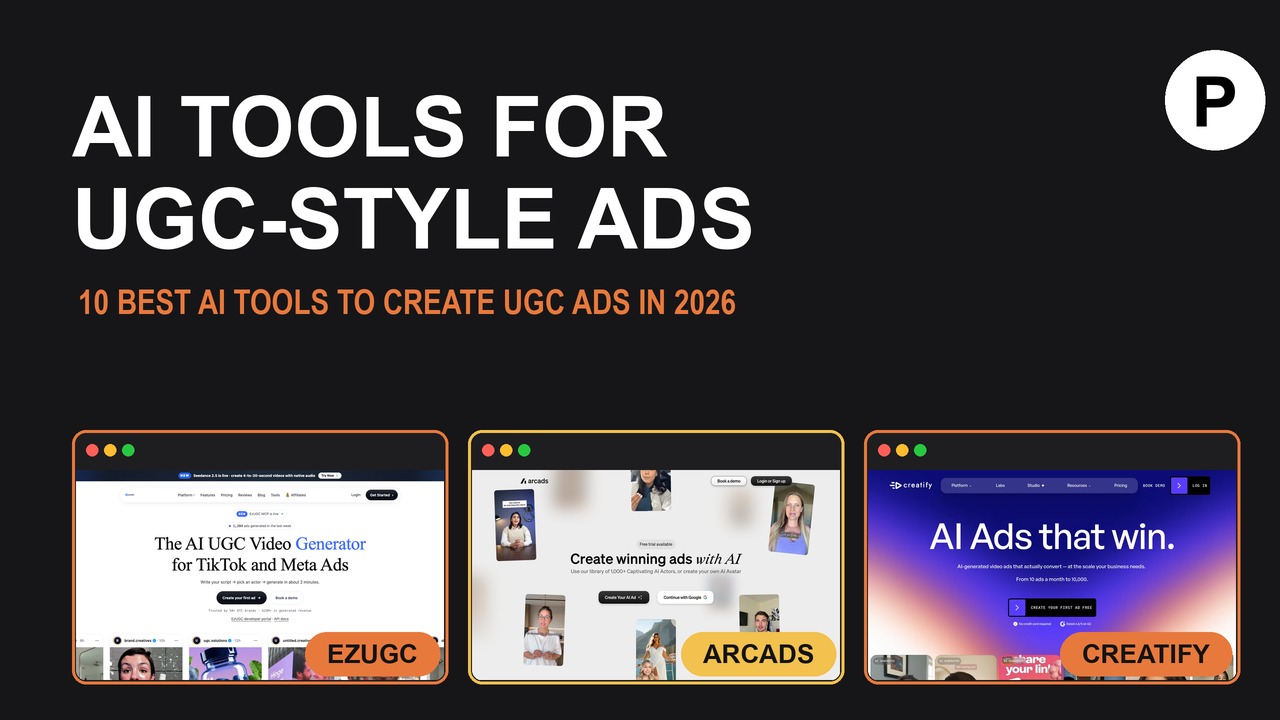
UGC-style ads convert better than polished commercials because they read like a genuine recommendation instead of a pitch. AI cannot manufacture that spontaneous, unscripted feel on its own, but it has closed enough of the production gap that brands can now generate testable ad variations in hours rather than weeks, at a fraction of what it costs to book real creators.
This article covers ten AI tools built for that specific job: turning a script and a product into a finished UGC-style video ad fast enough to test several versions and let performance data pick the winner.
Key takeaways
- AI still cannot create the unscripted, imperfect quality that makes real UGC convert. What it removes is the cost and time around a script that still needs to sound like a real person wrote it.
- Dedicated UGC ad platforms with built-in AI actor libraries remain the fastest route from a product link to a finished ad.
- General-purpose avatar and video tools still earn a place here, particularly for translation, voice consistency, and folding UGC clips into a wider video production workflow.
- Matching the tool to the ad format, unboxing versus in-context lifestyle versus multilingual, matters more than picking one platform to handle everything.
- Meta and Amazon have both started flagging undisclosed AI-generated faces in ads, so disclosure needs to be part of the workflow from the start, not an afterthought.
1. Speel
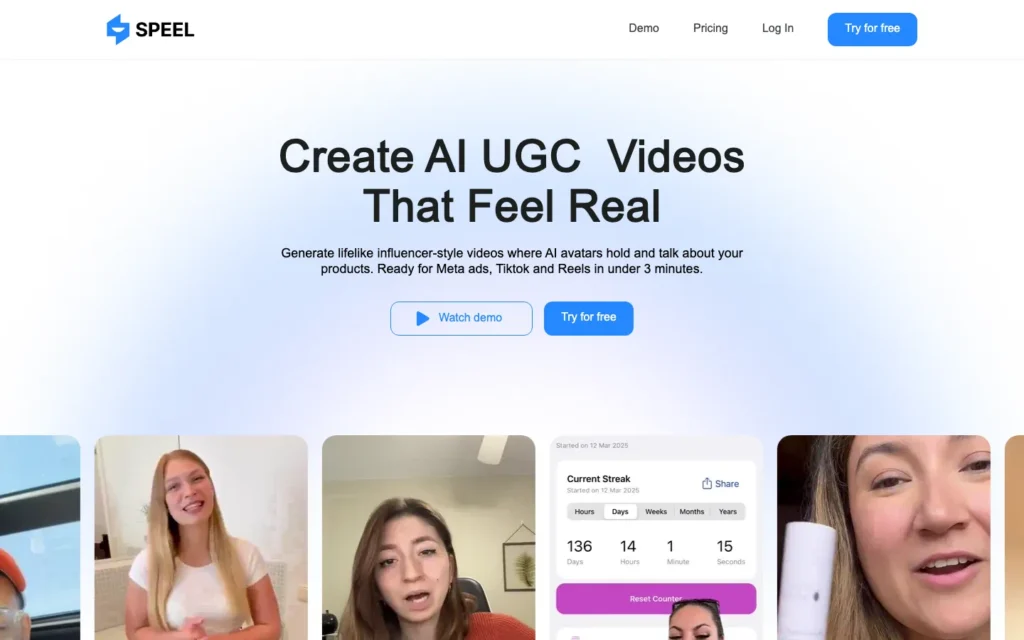
Speel builds toward full A-roll and B-roll production rather than a single generated clip, and that is the detail that separates a finished-feeling ad from an obviously synthetic one. The platform generates realistic AI actor videos aimed specifically at e-commerce and direct-to-consumer brands, and it holds a character’s look consistent across multiple clips, so one presenter can carry a whole campaign instead of a different face for every hook.
That makes it a solid fit for DTC brands running paid ads at real volume, where testing several creative variations against each other is the actual job, not an occasional extra.
2. EzUGC
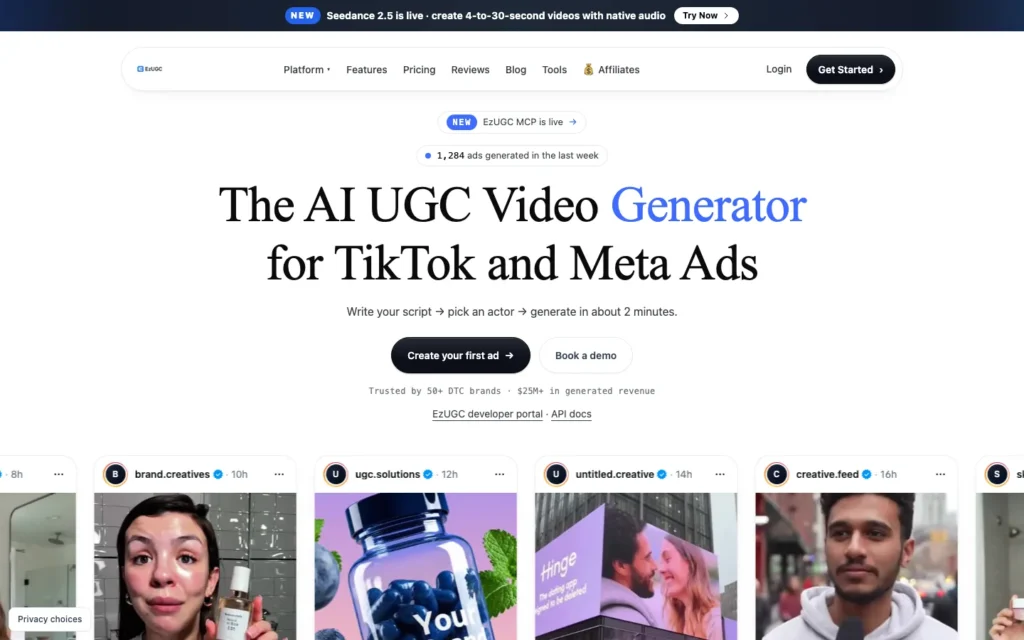
Where Speel builds around a single consistent face, EzUGC goes the other direction. It gives brands access to more than 300 AI actors inside one ad studio, enough presenter styles and demographics to match almost any target audience without hiring separately for each one. The same platform also produces static ads and campaign-ready creative, so a team is not switching between separate tools for video and image formats on one campaign.
3. Mirage Studio
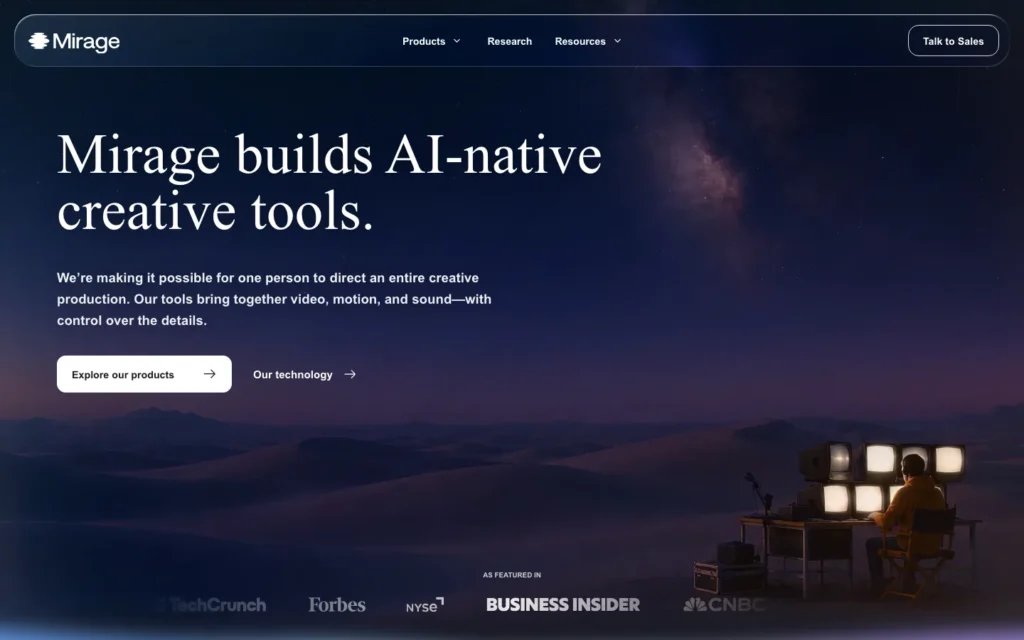
Mirage Studio’s pitch is timing and price rather than depth. It was one of the earliest AI models built specifically to generate UGC-style content, instead of a general avatar tool adapted for advertising, and it is still free to use. That makes it a low-risk way to find out whether AI UGC fits a brand’s advertising approach before anyone commits budget to a paid platform.
Smaller brands and solo marketers testing the format for the first time get the most out of it.
4. HeyGen
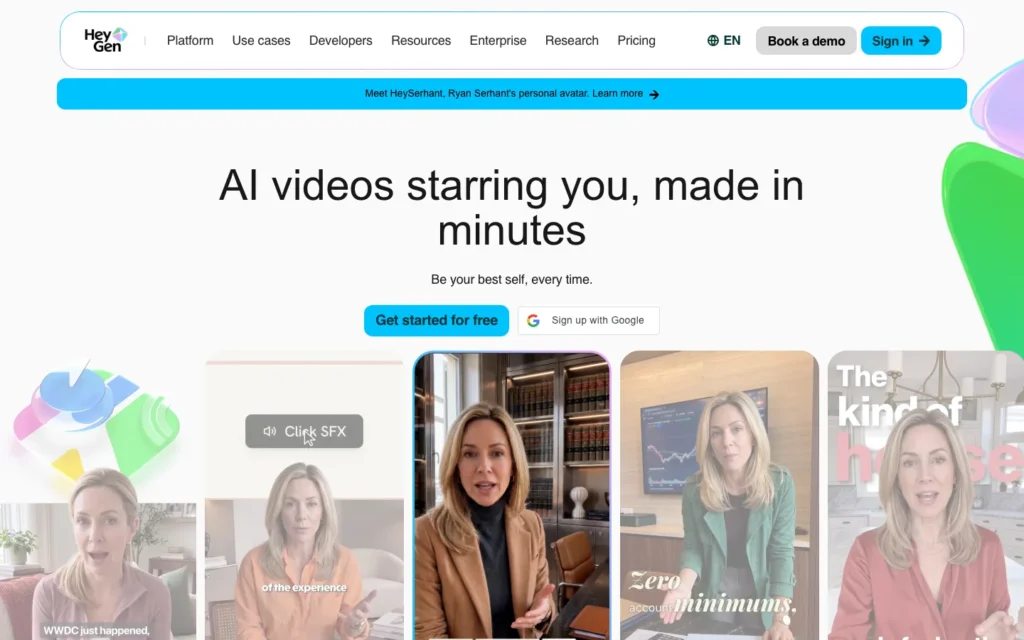
HeyGen’s strength sits in the avatar’s mouth, not just its face. The platform is known for realistic AI avatars with lip-sync accurate enough to survive translation, so an English UGC ad can be recast into another language without the mouth movements drifting out of sync with the new audio.
For brands running one UGC ad concept across several international markets, that single capability replaces what would otherwise be separate production runs per language.
5. InVideo AI
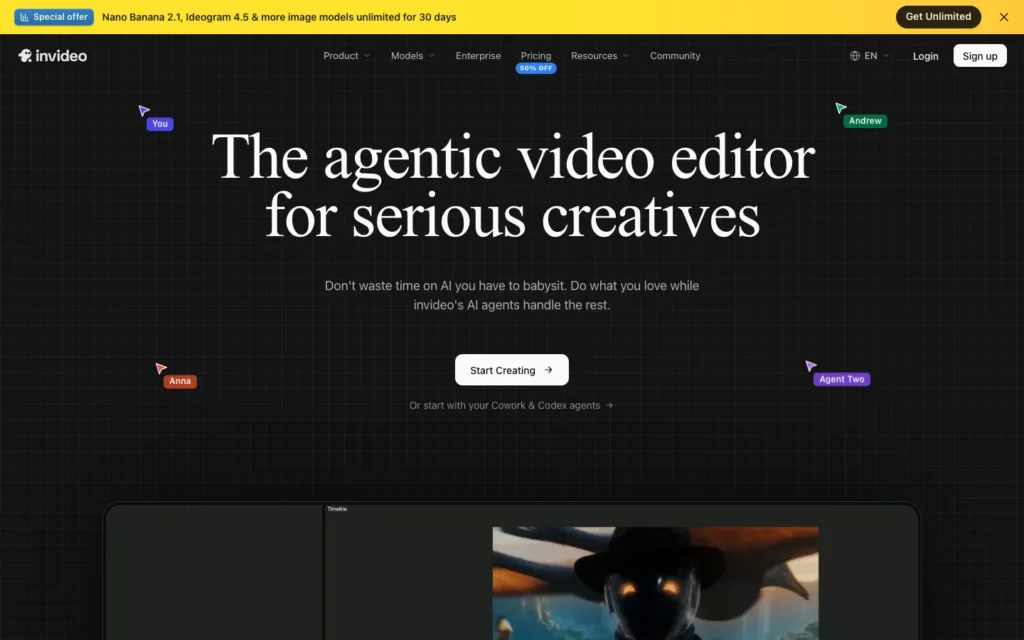
InVideo AI takes a different shape from the actor-led platforms above. Instead of one presenter delivering one script, it handles the full pipeline from a product description to a finished video, including scene selection, voiceover, and captions, inside a single interface.
That all-in-one structure suits marketers who already produce other video content and want UGC-style ads to slot into an existing workflow rather than requiring a separate, single-purpose generator.
6. AdCreative.ai
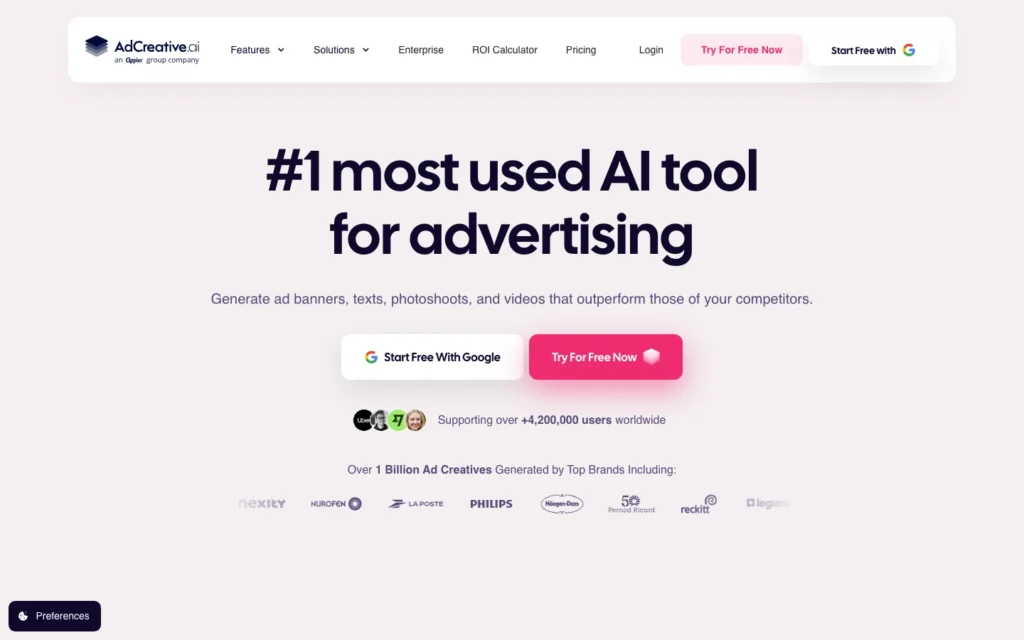
AdCreative.ai treats creative generation and performance tracking as one process instead of two. It generates and tests ad creative at scale, UGC-style formats alongside more traditional static and banner ads, with performance prediction built into the same workflow rather than handled as a separate step afterward.
Performance marketers who want creative output tied directly to a testing and iteration loop get the most direct benefit from this setup.
7. Arcads
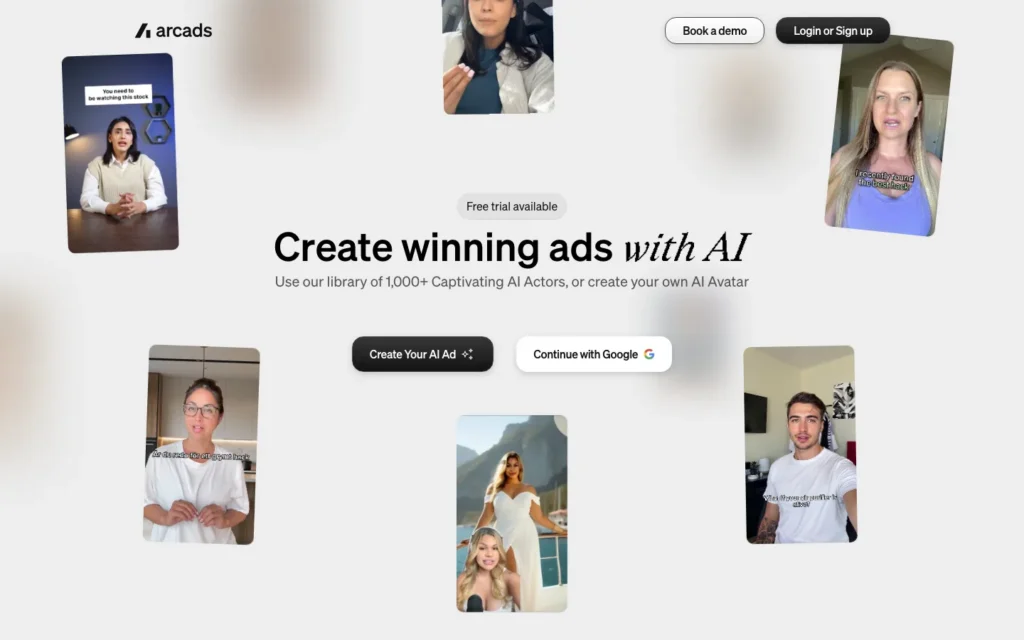
Arcads narrows in on one specific moment: the first reaction. It specializes in unboxing-style clips and genuine-seeming initial impressions that mirror how real UGC creators respond to a new product on camera, rather than a generic talking-head delivery.
Products whose main selling point is a visible unboxing or first-use moment tend to get the most out of this framing.
8. Creatify
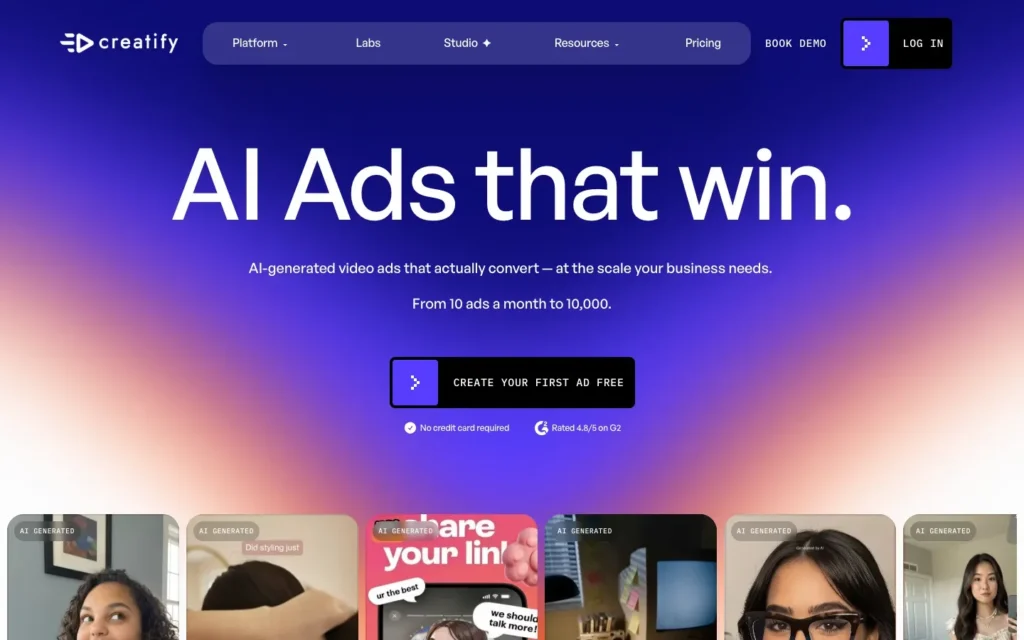
Creatify avoids the direct-to-camera pitch altogether. It generates UGC-style content that shows a product being used naturally inside a real-world setting, so the result reads closer to a candid moment caught on someone’s phone than an avatar reciting lines to camera.
Products that benefit from being shown in daily use, rather than being explicitly pitched, fit this approach well.
9. UGCGenerator
UGCGenerator strips out the scripting step entirely. Feed it a product link, and it generates a UGC-style ad directly from that page without requiring a script to be written first. That speed suits e-commerce stores with large product catalogs that need a baseline ad for every item, rather than deep creative attention focused on a handful of hero products.
10. ElevenLabs
ElevenLabs is not a video tool at all, but it slots directly on top of every platform above it. It specializes in AI voice generation and cloning, and pairs naturally with tools like HeyGen or InVideo AI when a single, consistent voice needs to carry across many UGC ad variations instead of sounding different in every clip.
Brands wanting one recognizable voice across a growing ad library get the clearest use out of it here.
Building a UGC ad production system
Most brands succeed with these tools by treating them as a production accelerant for a script and concept that already work, not as a substitute for having one.
What separates effective AI UGC use from wasted spend
A script that reads like marketing copy will not work no matter which tool renders it, so this remains the first filter regardless of which of the ten platforms above gets used.
Volume is where these tools earn their value. Producing three or four variations quickly, then letting real ad performance decide which one to scale, beats betting everything on a single version.
The right platform also depends on the format. A first-reaction unboxing ad and an in-context lifestyle ad are different jobs, which is why Arcads and Creatify handle them separately rather than one tool trying to do both well.
Voice consistency carries its own weight for brand recognition. Layering a tool such as ElevenLabs on top of a video generator keeps one recognizable voice running across an entire ad library instead of a different voice in every clip.
Disclosure requirements are moving in one direction only. Meta and Amazon have both started flagging undisclosed AI-generated faces in ads, so building disclosure into the process now avoids problems as enforcement continues to tighten. Agencies producing this kind of content across multiple client accounts can lean on AI content automation tools to keep production consistent at scale.
How to produce your first AI UGC ad
1. Write the script before choosing a tool. A script that sounds like an actual person talking matters more than which platform renders it, so this step should never get rushed or skipped.
2. Match the tool to the ad’s format. A first-reaction unboxing concept and a natural in-context demo call for different tools. Choose based on the format itself, not on whichever platform is already familiar.
3. Generate several variations of the same concept. Three or four versions of one script, different actors, different pacing, gives something real to compare instead of betting the whole test on one version.
4. Add a consistent voice if running multiple ads. Running the same AI voice through a tool like ElevenLabs across several ads builds recognition as the ad library grows.
5. Launch under equal conditions for a fair test. Same budget, same audience settings, for every variation. That is the only way the comparison actually means anything.
6. Scale the winner and disclose AI use where required. Once one version proves itself, scale it while following each platform’s current disclosure rules for AI-generated content.
Conclusion
None of these ten tools manufacture the authenticity that makes UGC convert in the first place. What they remove is the cost and time that used to keep brands from testing enough creative variations to find out what actually works.
The brands seeing real results treat this as one piece of a broader AI marketing roadmap, not a one-off experiment. They pair a genuinely relatable script with the tool built for that specific format, then let real ad performance, not a personal preference for one platform, decide what gets scaled.
Frequently Asked Questions
What is the best AI tool for UGC-style ads?
It depends on the format. Speel suits DTC brands running paid ads at volume, EzUGC gives access to more than 300 AI actors, Arcads fits unboxing-style first reactions, and Creatify fits in-context lifestyle ads. Matching the tool to the ad format matters more than picking one platform for everything.
Can AI create authentic UGC?
Not on its own. AI cannot manufacture the unscripted, imperfect quality that makes real UGC convert. What it removes is the cost and time around a script that still needs to sound like a real person wrote it.
Which tool is best for translating UGC ads into other languages?
HeyGen. Its lip-sync is accurate enough to survive translation, so an English UGC ad can be recast into another language without the mouth movements drifting out of sync.
Is there a free tool to test AI UGC ads?
Mirage Studio. It was one of the earliest AI models built specifically for UGC-style content and is still free to use, which makes it a low-risk way to test whether AI UGC fits your advertising approach.
Which tool is best for unboxing-style ads?
Arcads. It specializes in unboxing-style clips and genuine-seeming first reactions that mirror how real UGC creators respond to a new product on camera.
How do I keep the same voice across many ads?
Layer ElevenLabs on top of a video tool like HeyGen or InVideo AI. A single cloned or chosen voice then runs across the whole ad library instead of sounding different in every clip.
Do I need to disclose AI-generated faces in ads?
Yes. Meta and Amazon have both started flagging undisclosed AI-generated faces in ads, so disclosure should be part of the workflow from the start.
How should I test AI UGC ads?
Generate three or four variations of the same concept, launch them with the same budget and audience settings, then scale the version that wins on real ad performance.
You may also like
- 7 Best AI Tools for Freelancers: Tools suited to a solo marketer producing UGC-style ads without a team.
- 9 Best AI Tools for Google Ads Management: Tools for managing and optimizing the budget behind these ad creatives once they go live.
- Best AI Video Editors for TikTok Creators: Tools for cutting and formatting UGC-style clips once the raw footage is generated.