

A product review video makes a claim a standard ad never has to make: that a real customer is speaking. That single difference is what separates a tool built to help a brand tell its own story from a tool built to reproduce the structure of somebody else’s honest opinion, and it’s why the gap between AI assisted and AI fabricated matters more here than almost anywhere else in video advertising.
The tools below fall into two groups. Most help produce review style content in a way that can still be framed honestly. One skips synthetic review generation altogether and instead surfaces real customer content that already exists.
Key takeaways
- URL to video tools now handle most of the scripting and visual assembly for review style content directly from a product page, cutting out manual asset gathering.
- The FTC’s rule against fake or deceptive consumer reviews applies whether a human or an AI tool produced the content, which makes disclosure a legal question rather than just a platform guideline.
- Marketplace sellers, large catalogs, and single-hero-product brands each need a different tool, since listing structure, volume, and compliance needs vary widely.
- One tool on this list, Videowise, doesn’t generate reviews at all. It curates real customer UGC instead, which avoids the disclosure problem from the start.
- Responsible production comes down to grounding content in real product details or real customer sentiment, then disclosing clearly when AI produced or assisted the final video.
1. Creatify

Paste a product URL into Creatify and it pulls the images, descriptions, and feature list straight from the page, then builds a script and video without any manual asset collection. The avatars are trained specifically to sound like a customer talking through product features and benefits, rather than a narrator reading marketing copy.
What sets it apart is that the product page analysis produces dialogue referencing actual details from the listing, not generic claims that could apply to any product. That makes it a solid fit for e-commerce brands with a large catalog who need a baseline review style video for many SKUs without a long production cycle per item.
2. ClipLoft

ClipLoft is built around one priority: the fastest possible path from a product URL to a finished ad. Independent testing has ranked it as a leading option for quick creative turnaround at scale.
That speed is the whole point. Performance marketers testing review format creative across a wide product catalog can move through many variations without a long production cycle weighing down the process. It won’t be the deepest option on this list, but for rapid testing, that isn’t the job it’s doing.
3. Colossyan

Most avatar tools flatten emotional range, giving every scene the same delivery regardless of what’s being said. Colossyan goes the other direction, giving presenters gesture control and a genuine range of reactions, pleased, surprised, thoughtful, rather than one uniform expression carried through the whole video.
For review content specifically, that range matters more than it would in a straightforward ad, since a review is supposed to look like a real reaction rather than a recitation. Brands wanting visible, believable emotion in their review content will get more out of Colossyan than a flatter avatar tool.
4. HeyGen
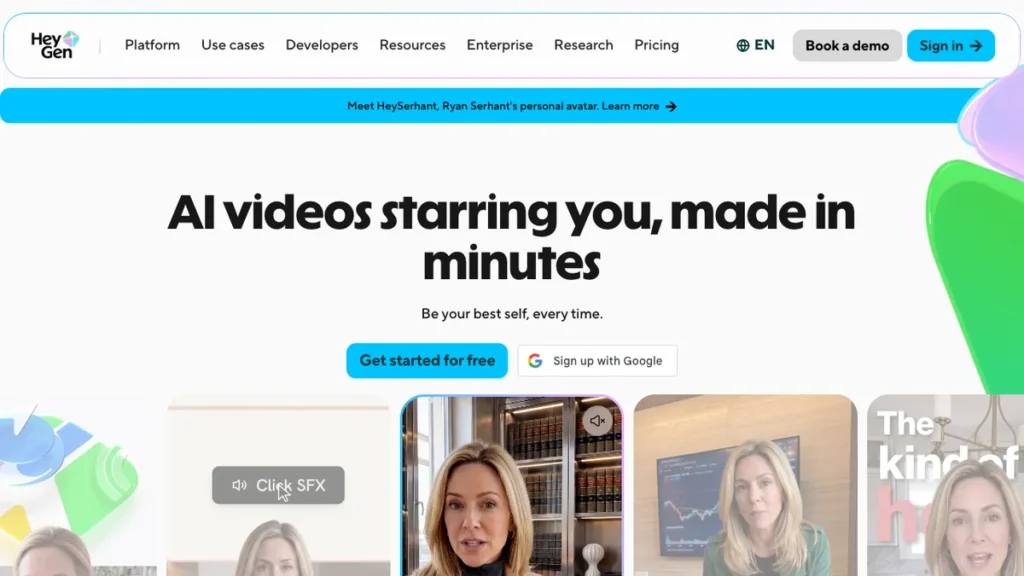
HeyGen’s custom avatar feature builds a digital version of a real person from a short clip. In testing, the results were realistic enough that viewers didn’t immediately clock it as AI.
That matters specifically for a founder or team member who wants to appear consistently across review style content without filming every video individually. Instead of a generic AI actor, the brand gets an actual identifiable person’s likeness delivering reviews at whatever volume the catalog needs. This fits brands or creators who want a recognizable face attached to a large body of review content.
5. Topview
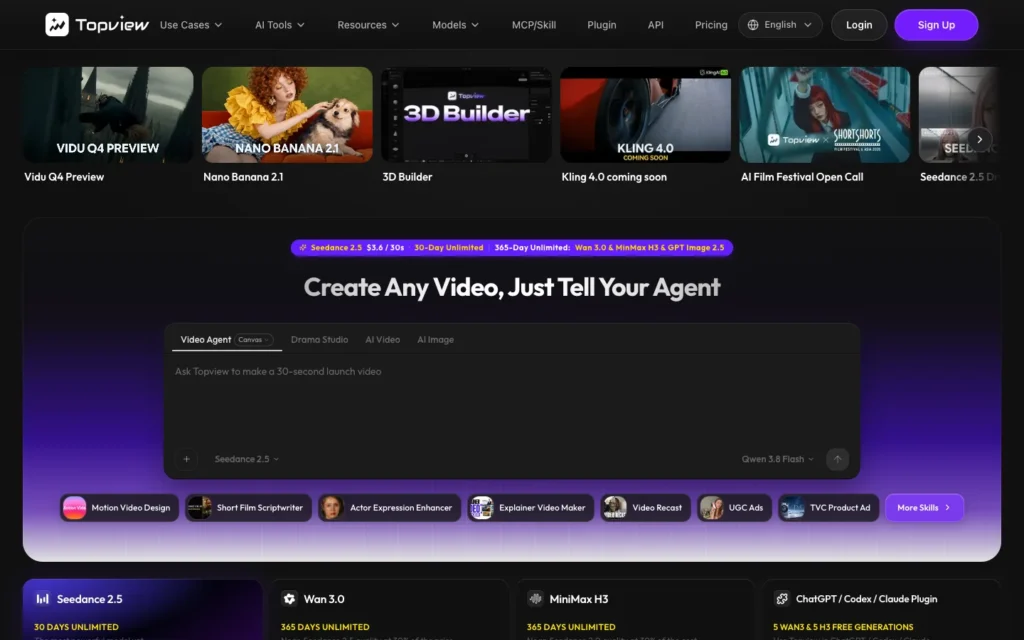
Topview is narrower than most tools on this list by design. It’s built specifically to turn a marketplace listing into a short-form video, aimed squarely at sellers on platforms like Amazon rather than a general Shopify or DTC storefront.
Marketplace listings follow their own conventions, different from a typical product page, and Topview is built around that structure rather than treating it as an edge case. Sellers who need review style video that actually fits how listings work on Amazon and similar platforms will find that focus useful; brands running a standard e-commerce site probably won’t need the specialization.
6. Wireflow

Instead of locking a brand into one generator, Wireflow chains several AI models together into a single, repeatable production pipeline. That distinction matters once a catalog reaches a certain scale, since producing consistent review content across hundreds of products usually needs more than what any one tool does best.
It treats review video production as a process to be run across an entire catalog, not a video assembled one at a time. This kind of chained, multi-model pipeline is closer to how agencies handling many client accounts already approach AI content automation tools for agencies than to a single generator with one interface, which makes Wireflow a better fit for larger catalogs than for a handful of hero products.
7. Synthesia
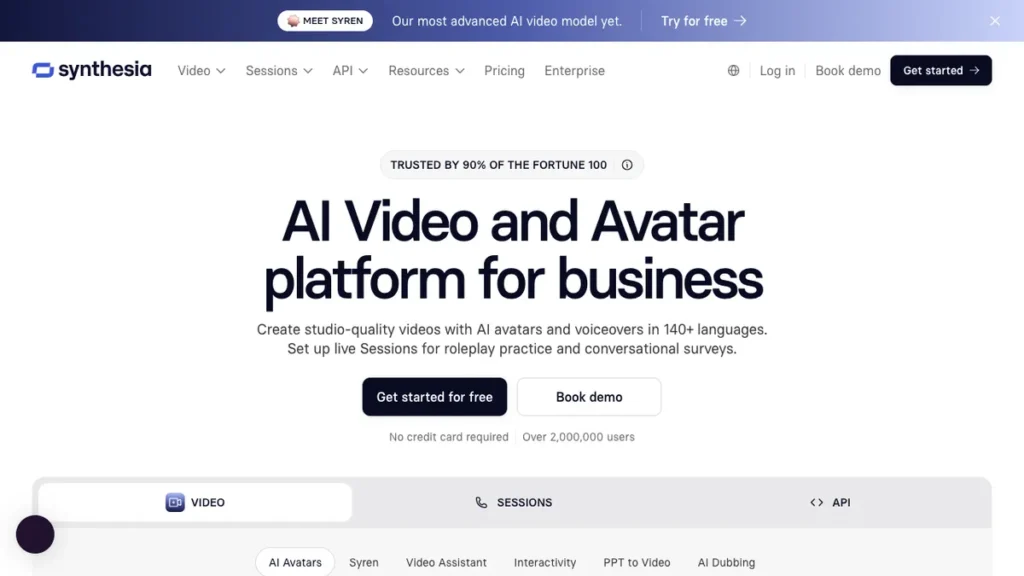
Synthesia’s avatar quality is built for enterprise use, and it comes with brand controls and governance features that most tools on this list don’t offer. For larger organizations, that governance layer isn’t a nice extra; it’s often what allows review style content to get produced at volume in the first place.
Legal or compliance teams reviewing content before it goes live need that structure, and Synthesia is built with exactly that review step in mind. Smaller brands without a compliance process to satisfy probably won’t need the overhead.
8. VEED
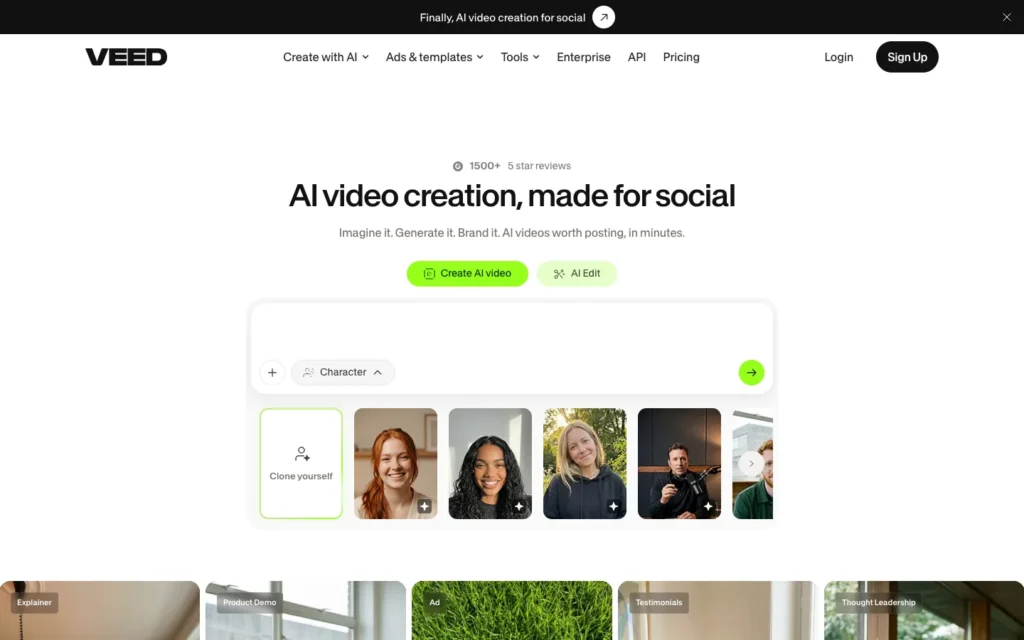
VEED covers the full range of review adjacent formats, product demos, testimonials, and UGC style content, inside one platform. It also handles localization across multiple markets and languages, which most single-purpose tools don’t attempt.
Producing a review style video once and adapting it across several markets, rather than running separate production per language, is the real advantage here. Brands running review content internationally will get more value from that combination than from a tool that only handles the video generation piece.
9. Captions
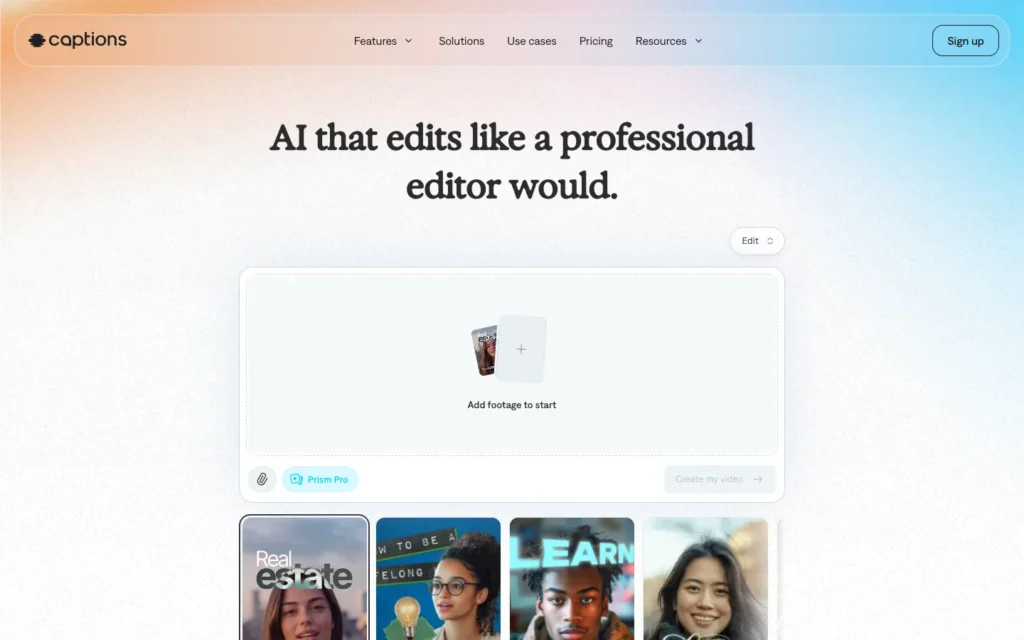
Captions is designed around how an actual creator works, not around an advertising pipeline retrofitted for creator style content. The output leans closer to organic creator video than a polished, obviously brand made review, which suits review content meant to feel like it came from a real person posting on their own.
That creator first design also fits the kind of lean, solo operator setup covered in AI tools for freelancers, where one person is producing review style content without a team behind them. Brands working with or mimicking real creator reviews, rather than a clearly branded advertisement, are the best match here.
10. Zeely
Zeely’s whole pitch is removing friction between having a product listed and having a finished review style video ready to run. It’s a product page to ad workflow built specifically for small businesses, prioritizing ease of use over the deeper customization larger platforms offer.
That tradeoff makes sense for small e-commerce brands and solo founders who need working review content without climbing a steep learning curve first. Anyone who needs granular control over avatar behavior or brand governance will likely outgrow it.
11. Videowise

Every other tool on this list generates review style content. Videowise does something different: it automates the discovery and curation of real customer generated UGC, then assembles it into shoppable video for product pages, without generating any synthetic review at all.
That’s authenticity by design rather than by disclosure. Because the content is genuinely from real buyers, Videowise sidesteps the trust and disclosure questions that every AI generated review tool has to actively manage. It fits brands that already have a base of real customer content and want to surface and organize it, rather than brands starting from nothing and needing something generated.
The legal line that makes this category different
A product review carries an implicit claim: that a real customer had a real experience. That’s exactly the kind of claim the FTC’s rule against fake or deceptive consumer reviews was written to address, and the rule doesn’t distinguish between a human writing a fake review and an AI tool generating one.
AI-generated content should never be framed as an actual customer’s genuine review. If a video is AI assisted or fully AI generated, it shouldn’t be presented as a specific real customer’s experience that didn’t happen.
Disclosure requirements apply the same way to AI content as to human written fake reviews. The FTC’s rule carves out no exception for AI generated deceptive reviews, so the legal exposure is identical.
Curating real UGC sidesteps the problem entirely. A tool like Videowise, which surfaces genuine customer content instead of generating anything, avoids this risk in a way that synthetic review generation never fully can.
AI-assisted and AI-fabricated are not the same practice. Using AI to turn a real customer’s actual quote or experience into a polished video is meaningfully different from inventing a customer experience from scratch.
Compliance review carries more weight here than in general advertising. Tools like Synthesia build in governance features precisely because larger brands increasingly need a compliance check before review style content goes live. Brands building a broader content and compliance strategy around this often pair these tools with the wider stack covered in AI tools for Shopify store owners, keeping review content connected to the rest of the store’s operations.
How to produce review style content responsibly
Decide upfront whether the content is AI-assisted or fully synthetic. That distinction should shape both the tool chosen and how the finished video is framed to viewers.
Start from a real product page or real customer feedback wherever possible. Content grounded in actual product details or genuine customer sentiment sits on firmer ground than a fully invented review, even when AI handled the production.
Match the tool to the format the content actually needs. A marketplace listing calls for Topview, a catalog-wide need calls for Wireflow, and an existing base of real customer content calls for Videowise instead of generating anything new.
Add clear disclosure wherever content is AI-generated. Following current platform and legal disclosure requirements protects the brand and the audience’s trust at the same time.
Test a few variations before scaling. Producing several versions and comparing how they actually perform matters as much here as with any other ad format.
Run a compliance check before publishing at volume. Larger brands especially should have this step in place before scaling AI-assisted review content across a full catalog.
Conclusion
Review style content carries more implicit trust than a standard advertisement, so the tools producing it responsibly need to be paired with honest framing about what the content actually is. For most brands, the real choice isn’t AI generation versus real customer content; it’s knowing which one is the right tool for a given product, catalog, or moment.
Videowise’s approach, surfacing real customer UGC instead of generating synthetic reviews, is worth serious consideration for any brand with an existing customer base. It sidesteps the authenticity question that every other tool on this list has to actively manage.
Frequently Asked Questions
What is the best AI tool for UGC product review videos?
It depends on the catalog. Creatify suits e-commerce brands with many SKUs, Topview fits Amazon-style marketplace listings, Wireflow suits large catalogs that need a repeatable multi-model pipeline, and Synthesia suits enterprises that need governance. Matching the tool to the listing structure and volume matters more than picking a single winner.
Are AI-generated product review videos legal?
The FTC’s rule against fake or deceptive consumer reviews applies whether a human or an AI tool produced the content, so the legal exposure is identical. AI-generated content should never be framed as a specific real customer’s genuine experience.
Do I need to disclose that a review video was made with AI?
Yes. Disclosure requirements apply the same way to AI content as to human-written fake reviews, so add clear disclosure wherever content is AI-generated or AI-assisted, following current platform and legal requirements.
What is the difference between AI-assisted and AI-fabricated reviews?
Using AI to turn a real customer’s actual quote or experience into a polished video is AI-assisted. Inventing a customer experience from scratch is AI-fabricated, and it is the practice that creates the legal and trust risk.
Which tool turns a product URL into a review-style video the fastest?
ClipLoft is built around the fastest path from a product URL to a finished ad, while Creatify pulls images, descriptions, and features from the page and writes dialogue that references real listing details.
Which tool is best for Amazon sellers?
Topview. It is built to turn a marketplace listing into a short-form video, aimed at sellers on platforms like Amazon rather than a general Shopify or DTC storefront.
Is there a tool that avoids synthetic reviews entirely?
Videowise. It automates the discovery and curation of real customer-generated UGC and assembles it into shoppable video for product pages, without generating any synthetic review at all.
Which tool is best for a solo creator or small business?
Captions suits solo operators who want output that feels like organic creator video, and Zeely suits small e-commerce brands and solo founders who prioritize ease of use over deep customization.
You may also like
- Speel.co Review: A closer, hands-on look at one of the leading AI UGC ad platforms in this space.
- 9 Best AI Tools for Google Ads Management: Tools for managing the ad budget behind review-style video creative once it’s live.
- 8 Best AI Tools for Facebook Ad Video Creation: Options for turning review-style videos into ad creative built for Meta placements.