
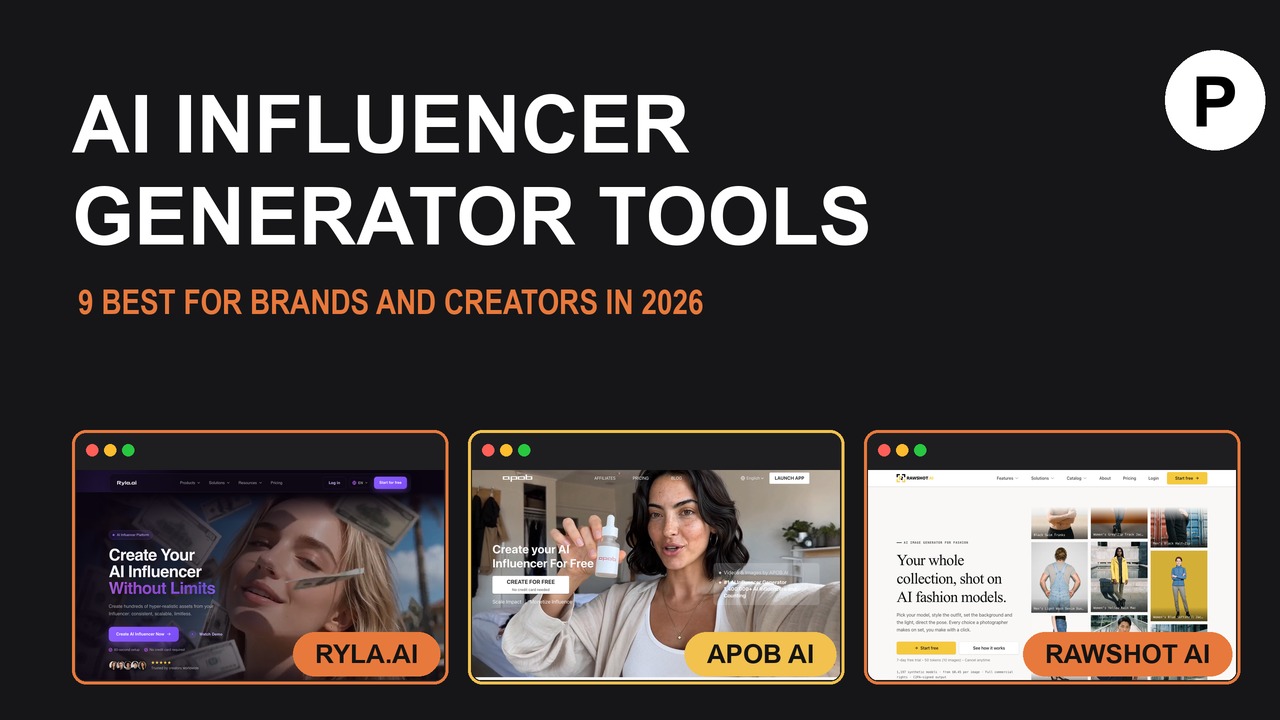
“AI influencer generator” is a crowded search term, and the results split into two very different piles: platforms built for brand personas and marketing content, and a separate cluster built around adult content and direct subscriber monetization. This list covers only the first group, tools suited to a brand persona, a marketing asset, or a creator-style presence for legitimate commercial use. That kind of asset tends to work best when it sits inside a broader AI marketing roadmap rather than existing as a one-off stunt.
Every platform here runs into the same technical problem: keeping a persona’s face and style recognizable across dozens, sometimes hundreds, of separate images and videos. Some solve it by training a dedicated model. Others pair a photo tool with a video tool because neither alone covers the full workflow. What follows breaks down what each platform actually does well, followed by a short section on launching one without embarrassing your brand six months in.
Key takeaways
- This roundup covers brand and marketing-focused AI influencer platforms only, not the separate market of adult-content and subscriber tools.
- Every tool here competes on the same core problem: holding a face, style, and personality consistent across a growing content library.
- Photo tools and video tools solve different jobs, and most working setups end up combining one of each rather than relying on a single platform.
- Disclosure requirements under FTC guidance and the EU AI Act are turning AI-content labeling into standard practice, not an afterthought.
- The platforms below range from fully managed, end-to-end pipelines to narrow specialists built around one bottleneck, such as fashion photography or advertising spokespeople.
1. Influencer Studio
Influencer Studio runs the entire pipeline: generate the influencer, train it against a specific brand look, then keep producing photos, ads, and stories on an ongoing basis. Its consistency engine is why it holds up over time rather than just for the first shoot. Upload a small set of reference photos, train a custom model against that exact look, and the same face carries through every format afterward, which addresses the single most common failure point elsewhere in this category.
Brands, entrepreneurs, and agencies that want a managed pipeline from persona creation through ongoing production are the natural fit here.
2. Argil
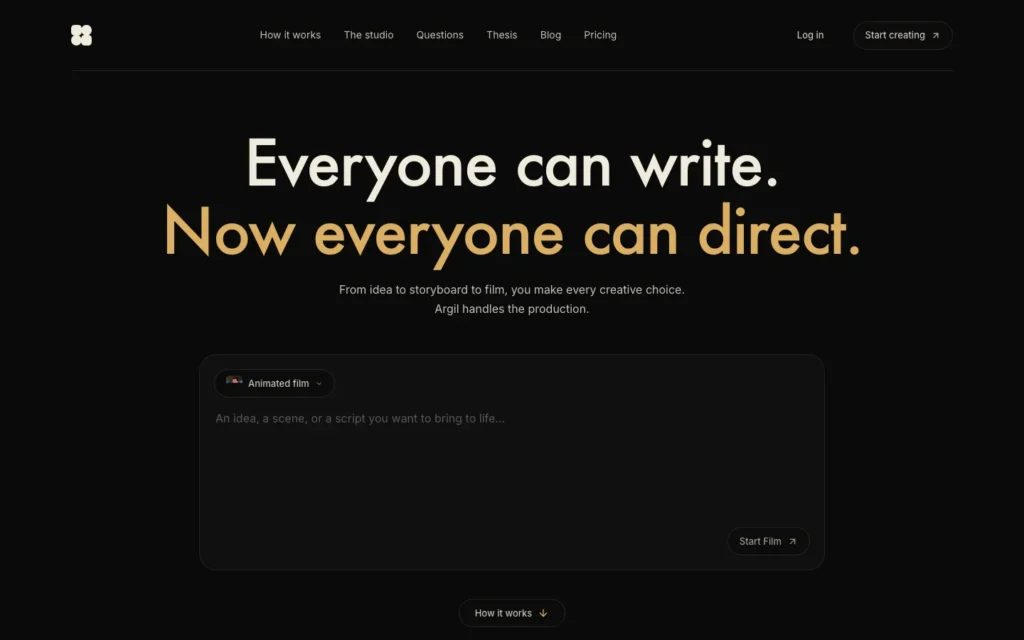
Argil takes a different approach than most tools on this list. Instead of generating a synthetic persona from scratch, it clones a real, specific creator, then produces video content that looks and sounds like that person, without requiring them to film every single piece.
That focus on an identifiable real individual, rather than a fictional character, is what separates Argil from the rest of the field. It suits a creator or personal brand who wants more output volume without losing the authenticity of being a recognizable real person.
3. Virbo
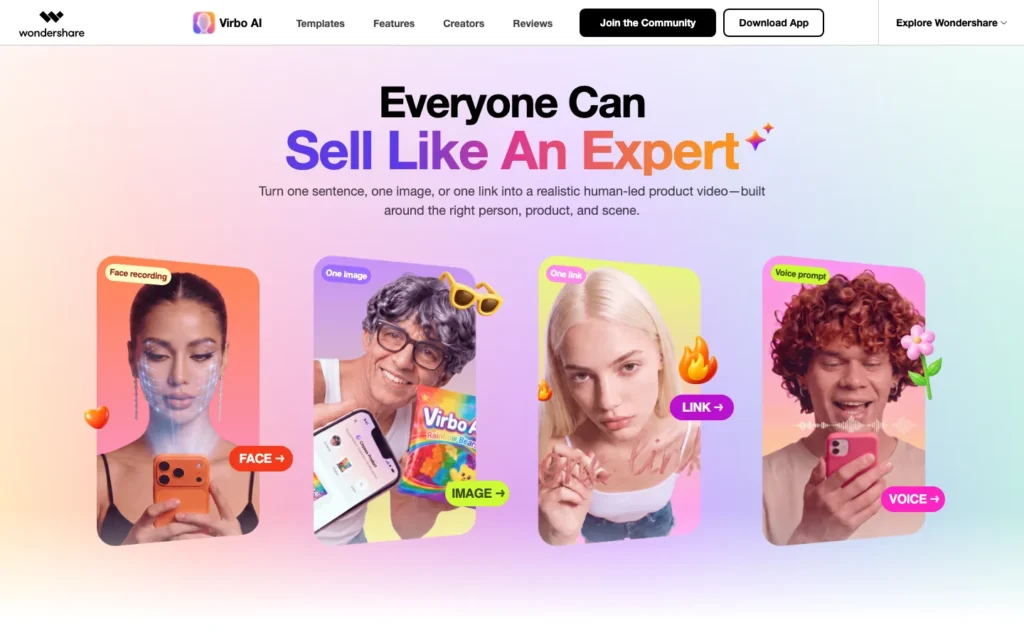
Mobile is the whole pitch. Virbo generates professional-looking AI influencer video directly from a smartphone, with a full production workflow that never touches a desktop. For creators working from a phone rather than a fixed studio setup, that matters more than any single feature on a spec sheet.
4. RAWSHOT AI
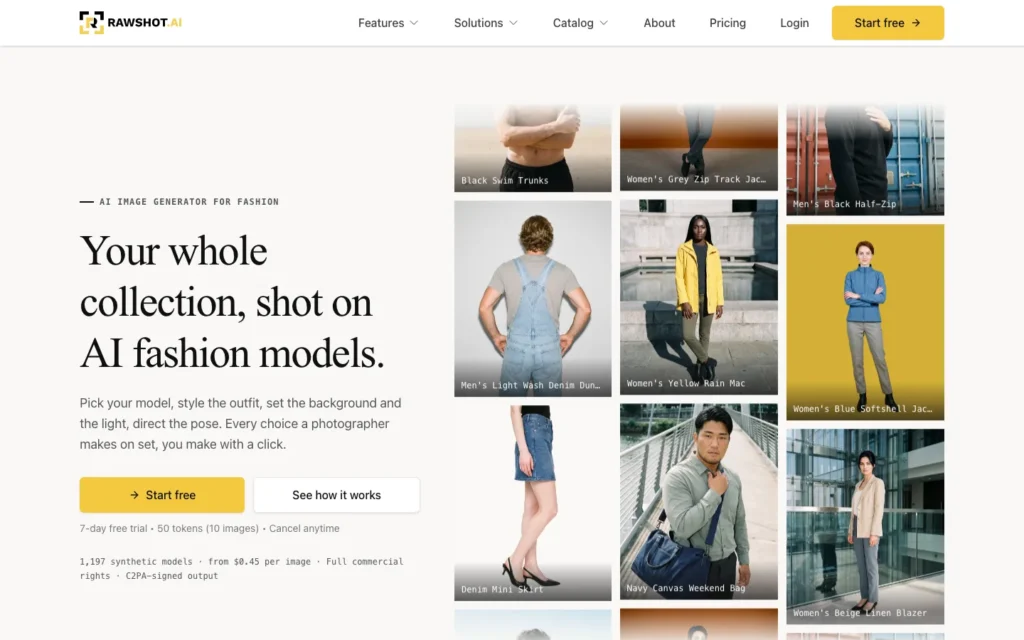
RAWSHOT AI skips text prompts entirely. Its click-driven interface generates studio-quality, on-model fashion images and video directly from real garments, built around an actual retail use case: showing real clothing on a consistent model, rather than a general persona generator adapted for fashion after the fact.
Apparel and fashion brands needing consistent on-model photography and video without running a traditional photoshoot for every item get the most direct value from it.
5. APOB AI
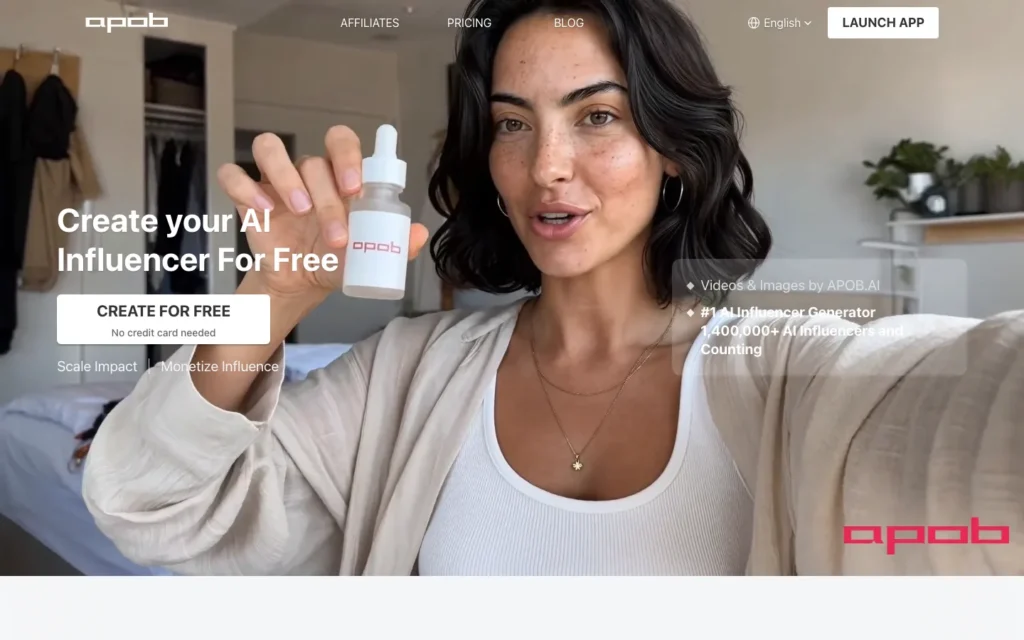
Where some platforms bolt persona consistency onto a broader creative tool, APOB AI was built specifically for character-driven content from the start. That specialization shows throughout its workflow for building and maintaining a virtual persona rather than treating consistency as one feature among many.
It fits creators and agencies planning a virtual persona as a genuine ongoing project, not a one-off content batch.
6. Ryla.ai
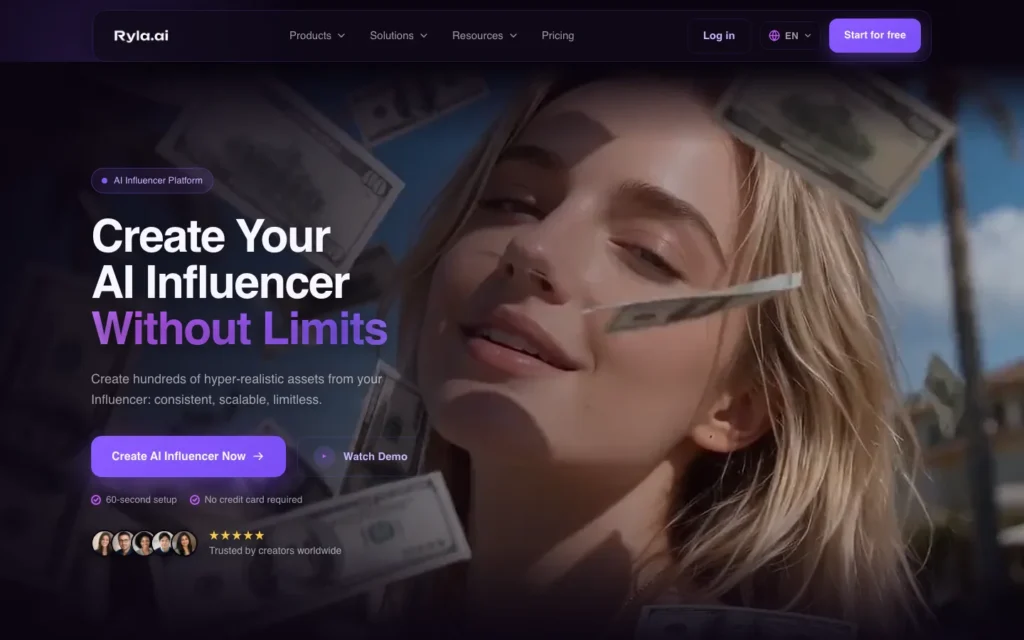
Anyone who has worked with a general-purpose image generator knows the “shapeshifter” problem: a face that subtly drifts across separate shots until it barely resembles the same person. Ryla.ai targets that failure directly, holding a persona’s facial structure, age, and overall look identical across every generated shot through a dedicated consistency system.
Creators and brands burned by inconsistent output from broader tools, who need results that reliably match across a large content library, are the target user.
7. LTX Studio
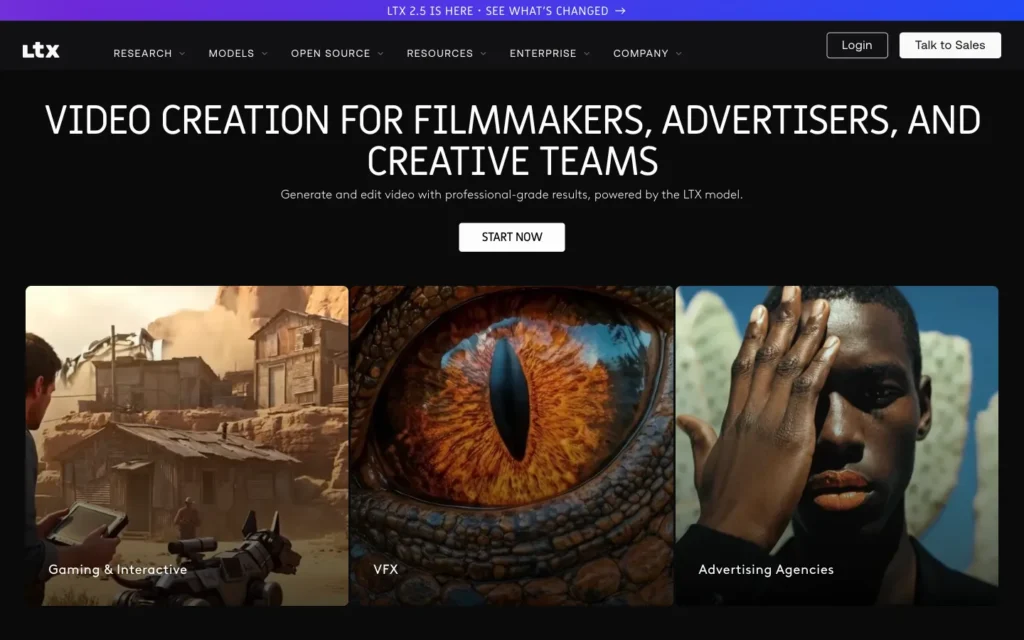
Consistency at LTX Studio extends past the face. It handles scene consistency particularly well, generating storyboards where a persona interacts with objects and environments without the visual glitching that breaks immersion in weaker tools.
That extra layer, character plus environment, matters for narrative or demonstration-style content where the persona actually has to do something convincingly rather than just pose for another still.
8. Glif
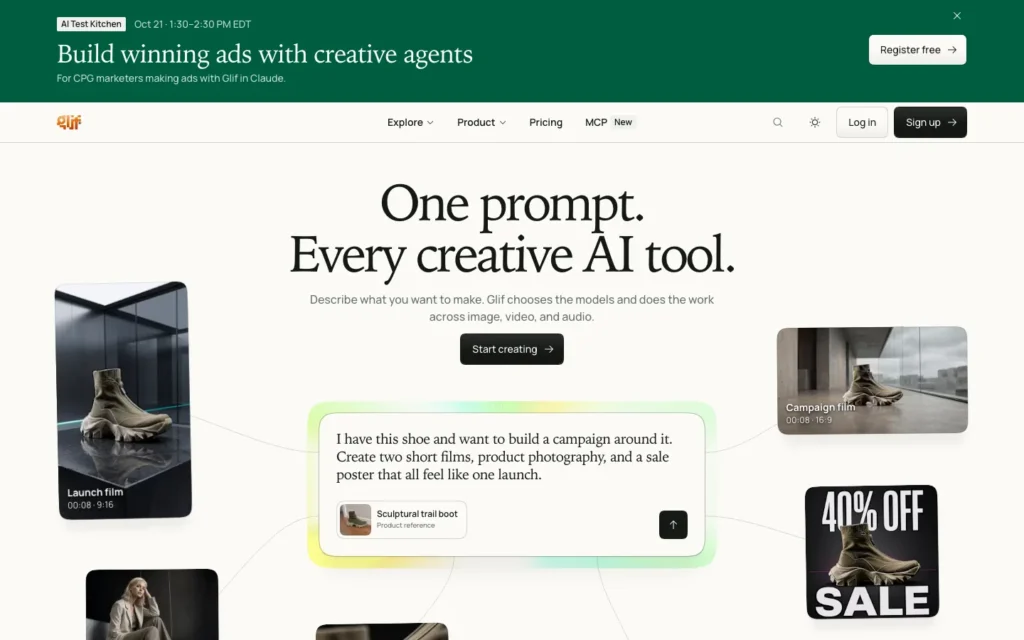
Glif’s approach is automation across multiple tools rather than depth on a single persona. In one documented case, a single user connected Glif‘s workflows to build ten separate AI influencer personas promoting a tennis brand, and the resulting faceless videos reached millions of views. It suits agencies or creators managing several distinct personas at once, rather than perfecting one deeply developed character.
9. Speel
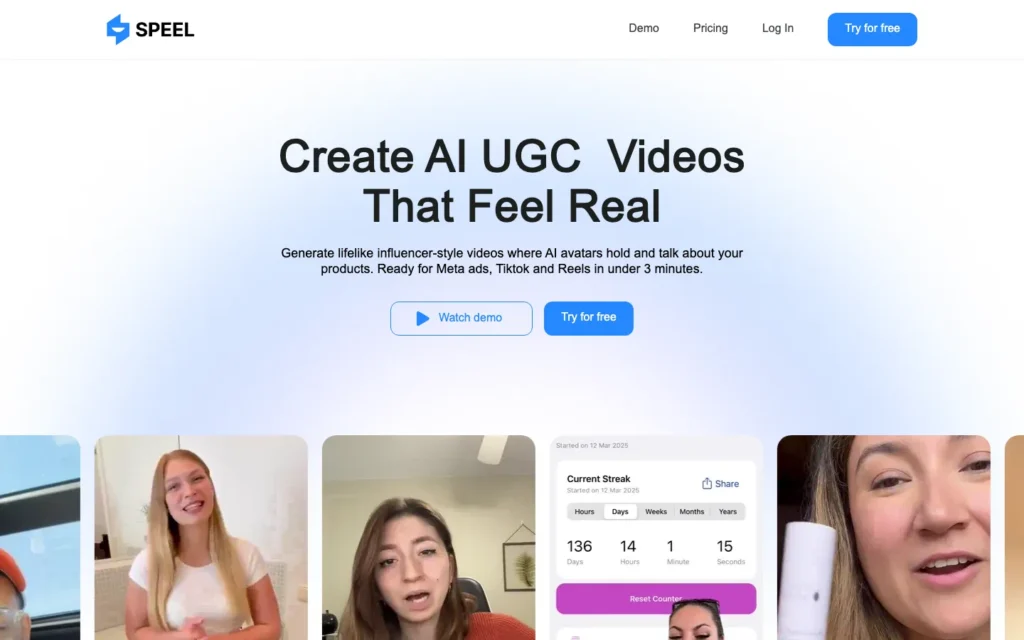
Speel narrows in on advertising specifically. Speel builds AI actors for ad and product-focused content, with strong character consistency across multiple clips tailored to a brand’s spokesperson needs, rather than a general creator persona meant to build an independent following.
Brands wanting a consistent AI spokesperson for product and advertising content specifically will get the most out of it.
Quick comparison
| Tool | Best for | Format focus |
|---|---|---|
| Influencer Studio | Managed, end-to-end brand pipeline | Photos, ads, stories |
| Argil | Scaling a real creator’s own brand | Video |
| Virbo | Mobile-only production | Video |
| RAWSHOT AI | Fashion and apparel photography | Photo and video |
| APOB AI | Long-term virtual persona projects | Character-first, multi-format |
| Ryla.ai | Fixing face drift across large libraries | Photo and video |
| LTX Studio | Persona-environment interaction, storyboards | Video |
| Glif | Managing several personas at once | Multi-tool automation |
| Speel | Advertising spokesperson content | Video |
What actually separates a credible persona from an obvious one
Every legitimate use case in this category runs into the same underlying problem: keeping a persona’s face, style, and personality consistent across a growing library of content without it becoming obvious that no one is actually behind the camera.
A single striking image proves very little on its own. It says nothing about whether that same face holds together across the next fifty posts, which is exactly why tools like Ryla.ai and Influencer Studio built dedicated consistency systems instead of stopping at one good render.
Disclosure belongs in the plan from day one, not bolted on later. Both FTC guidance and the EU AI Act are moving toward mandatory labeling of synthetic content, and building that into a persona’s launch is far cheaper than retrofitting it after an audience has formed under false pretenses.
Visual consistency only solves part of the problem. A persona still needs a defined niche, a consistent voice, and a content focus that no face-generation tool can supply on its own.
Photo tools and video tools are not interchangeable either. RAWSHOT AI’s photo-first workflow and Virbo’s video-first workflow solve different problems, and most serious projects end up needing both eventually.
None of this happens instantly. Even the most automated platforms need real setup time to train a look properly, and rushing that step is exactly how the inconsistent results these tools were built to prevent end up happening anyway.
How to launch a brand-safe AI influencer persona
- Define the purpose first. A brand spokesperson, a fashion model, and an independent creator-style persona need different platforms, so settle the goal before picking a tool.
- Choose a platform with a real consistency system, not one that only nails a single hero image. Prioritize tools built to hold a face and style across dozens of pieces of content.
- Train the persona properly before publishing anything. Upload a genuinely representative set of reference material and review the early output carefully. Rushing this step is where most “obviously AI” results come from.
- Build disclosure into the launch itself, not after the fact. Decide on labeling language before the first post; adding it retroactively once an audience exists costs more credibility than it saves time.
- Write the persona’s voice separately from its appearance. Treat tone and personality the way a brand treats messaging guidelines, since a consistent face only carries a persona so far.
- Check for drift periodically. Compare recent output against the original reference set every so often. Even a strong consistency system can drift slowly enough that nobody notices until it’s obvious.
Conclusion
The brand and marketing side of this category has matured. Early AI personas were easy to spot because the underlying tools couldn’t hold a face together past a handful of images; the platforms above exist because that specific problem got solved, at least for anyone willing to set them up properly.
Staying on the legitimate side of this space, with disclosure decided before launch rather than after, protects the audience’s trust and the long-term value of the persona itself.
Frequently Asked Questions
What is the best AI influencer generator for brands?
It depends on the job. Influencer Studio offers a managed end-to-end pipeline, Ryla.ai targets face drift across large libraries, RAWSHOT AI suits fashion photography, and Speel suits advertising spokesperson content.
How do AI influencers stay consistent across content?
Platforms solve it by training a dedicated model on reference photos or through a dedicated consistency system. Consistency of face, style, and personality across a growing library is the core problem every tool here competes on.
Which tool clones a real creator instead of making a fictional persona?
Argil. It clones a specific real creator and produces video that looks and sounds like that person, so they don’t need to film every piece.
Which tool is best for fashion and apparel brands?
RAWSHOT AI. Its click-driven interface generates on-model fashion images and video from real garments, without running a traditional photoshoot for every item.
Which tool lets me produce AI influencer video from a phone?
Virbo. It generates AI influencer video directly from a smartphone, with a full production workflow that never touches a desktop.
Can I manage several AI personas at once?
Yes. Glif automates workflows across multiple tools, and one documented case involved a single user building ten separate AI influencer personas for a tennis brand.
Do I need to disclose that an influencer is AI-generated?
Yes. FTC guidance and the EU AI Act are moving toward mandatory labeling of synthetic content, and building disclosure into the launch is cheaper than retrofitting it after an audience has formed.
Do I need both photo and video tools?
Usually. Photo tools and video tools solve different jobs, and most serious projects end up combining one of each rather than relying on a single platform.
You may also like
- NemoVideo Review: a closer look at a trend-aware video generation platform useful for persona-driven content.
- 9 Best AI Automation Tools for Small Business: a broader look at platforms for scaling persona content production.
- Fliki AI Review: a script-to-video tool that pairs well with a persona once its voice and appearance are established.