
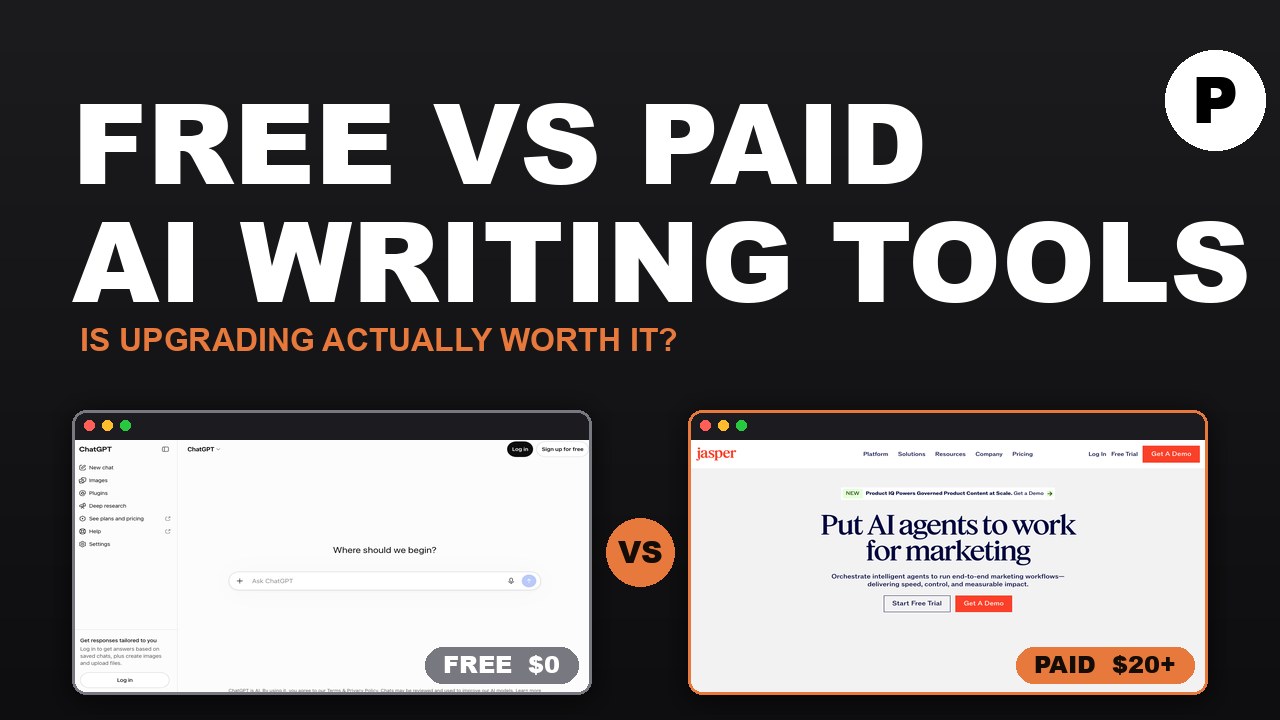
Most people who ask this question already have a free ChatGPT or Claude tab open and a nagging feeling they’re missing out on something better. The honest answer, backed by several independent 2026 tests rather than one reviewer’s opinion, is less exciting than the marketing pages suggest. Free tools handle most casual and occasional writing just fine. Paid tools earn their price through workflow features like brand voice, SEO integration, and team collaboration, not through noticeably better sentences.
This breakdown covers where free genuinely holds up, where it quietly falls apart, and how to figure out which side of that line you’re actually standing on.
Key takeaways
- Free tiers of ChatGPT, Claude, and Grammarly produce writing quality close enough to their paid versions that most casual users won’t notice a difference.
- The real limit on free plans is volume and missing workflow features, not the quality of the text itself.
- A 10,000-word monthly cap sounds generous until one blog post and one email sequence use most of it in a matter of days.
- Jasper costs roughly three times as much as ChatGPT Plus or Claude Pro, and several hands-on tests found the general tools write comparably well for most single-writer tasks.
- Upgrading makes sense when you hit a real volume ceiling or need a specific feature, like brand voice consistency or built-in SEO data, that no free tool replicates.
| Free tier | Paid tier | |
|---|---|---|
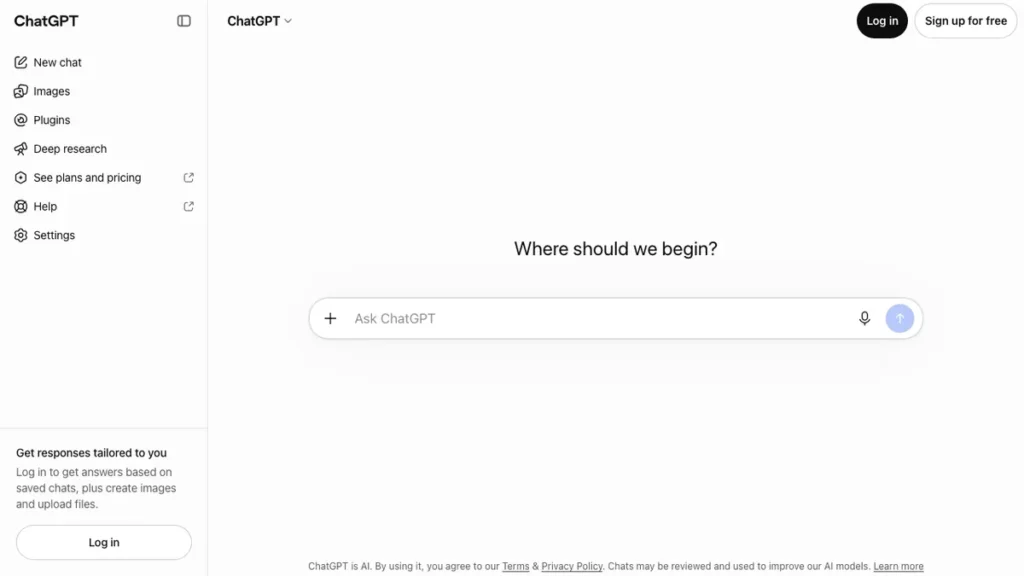
| ChatGPT | Rate-limited, roughly 10 messages per 5 hours | $20/month, removes rate caps, access to the latest model |
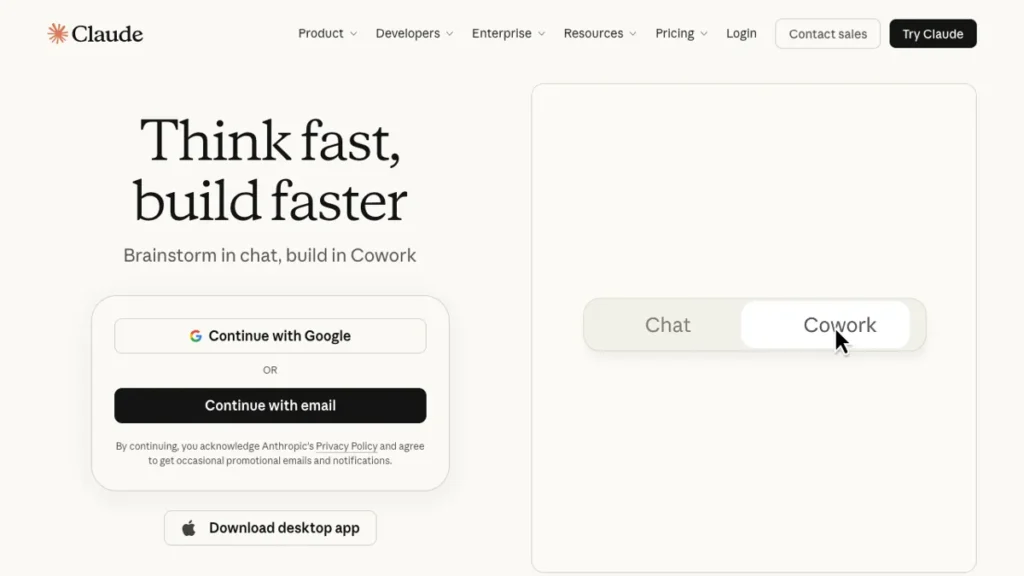
| Claude | Roughly one-fifth the usage of Pro | $20/month, higher usage limits and a larger context window |
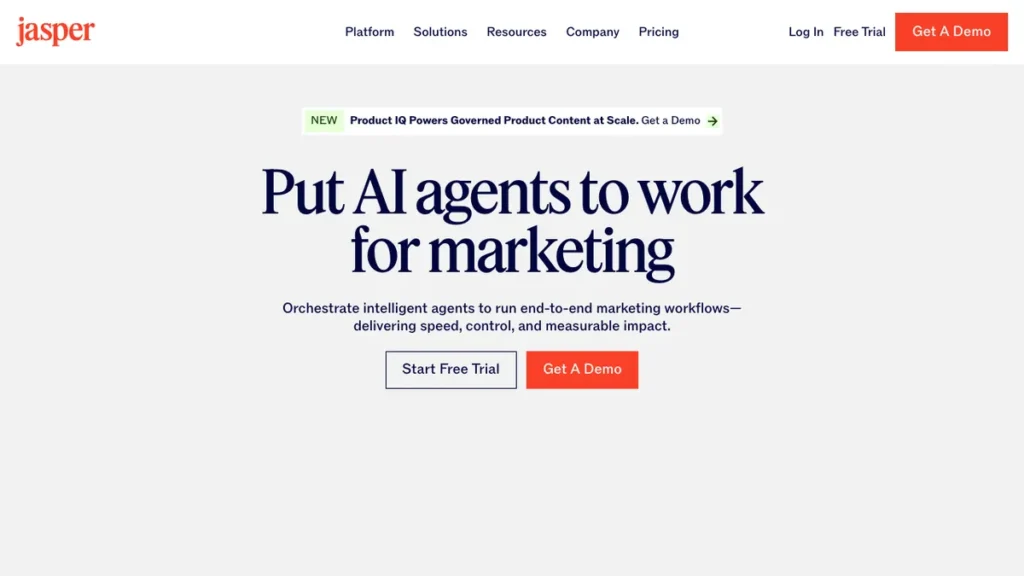
| Jasper | No permanent free tier, trial only | $49 to $59/month, brand voice and marketing templates |
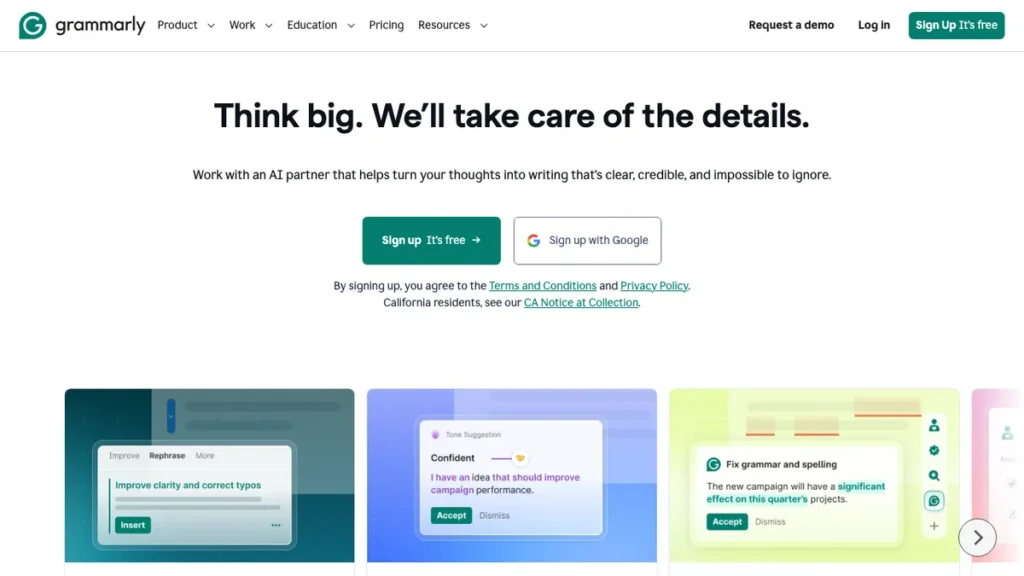
| Grammarly | Grammar checking, roughly 100 AI prompts a month | $12/month, expanded generative features |
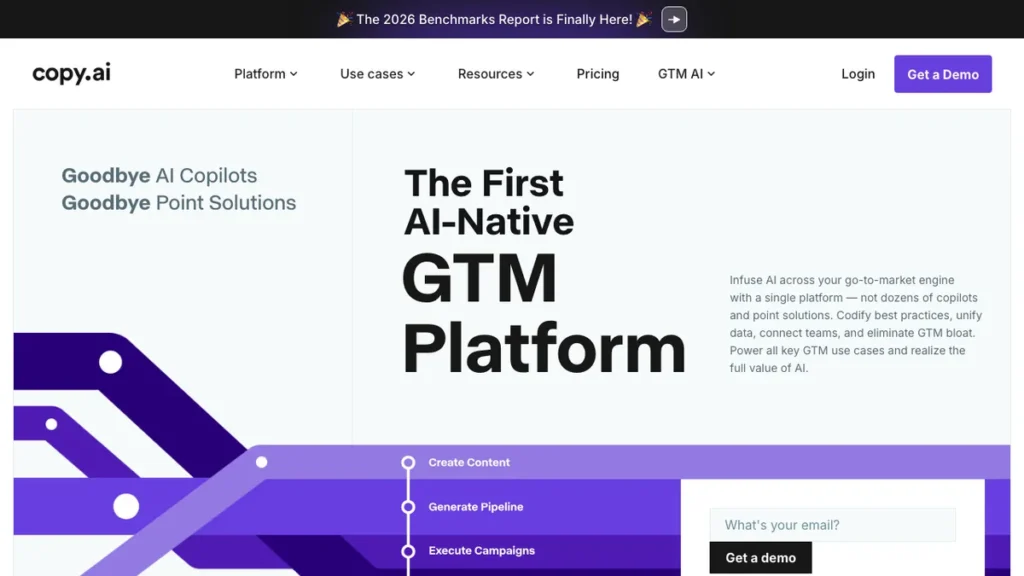
| Copy.ai | Limited free tier available | $49/month, workflow automation features |
These limits shift often enough that it’s worth checking each provider’s current pricing page rather than trusting last year’s numbers.
Where free genuinely covers the need
For casual writing, brainstorming, occasional blog posts, and everyday grammar checking, the free tiers of ChatGPT, Claude, and Grammarly cover most of what typical users need without spending anything. Several independent 2026 tests that compared a dozen or more writing tools reached the same conclusion: free versions of general-purpose assistants write closely enough to their paid counterparts that most casual users wouldn’t notice the gap.
The limitation almost never shows up in writing quality itself. It shows up in volume and in workflow-specific features, brand voice training, SEO data built into the editor, team collaboration, that free plans simply don’t include at any price.
Where free actually breaks down
A 10,000-word monthly cap, common across several free and entry-level paid tiers, sounds generous until real use eats through it. A single 1,500 to 2,000-word blog post paired with a five-email welcome sequence at roughly 2,500 words can burn through a month’s allowance in days, not weeks.
Rate limits create a similar problem for daily users. ChatGPT’s free tier caps access at roughly 10 messages every five hours, which becomes genuinely unworkable for anyone writing throughout a workday, regardless of how good the output is when access is actually available.
What paid tiers actually buy you
Upgrading to a paid general-purpose tool, ChatGPT Plus or Claude Pro at $20 a month, mainly removes rate limits and unlocks the current flagship model rather than adding writing-specific features. For most individual writers, that alone solves the volume problem the free tiers create.
Specialized tools like Jasper justify a steeper price, roughly three times a general assistant’s cost, through workflow features rather than sentence quality: brand voice training that stays consistent across a team, marketing-specific templates, and campaign coordination across channels. Several hands-on comparisons found that a well-prompted ChatGPT Plus or Claude Pro session produces writing quality comparable to Jasper’s output for most single-writer use cases.
Real cost stacks by actual use case
| Use case | Recommended stack | Approximate monthly cost |
|---|---|---|
| Budget or occasional writer | ChatGPT Free + Grammarly Free | $0 |
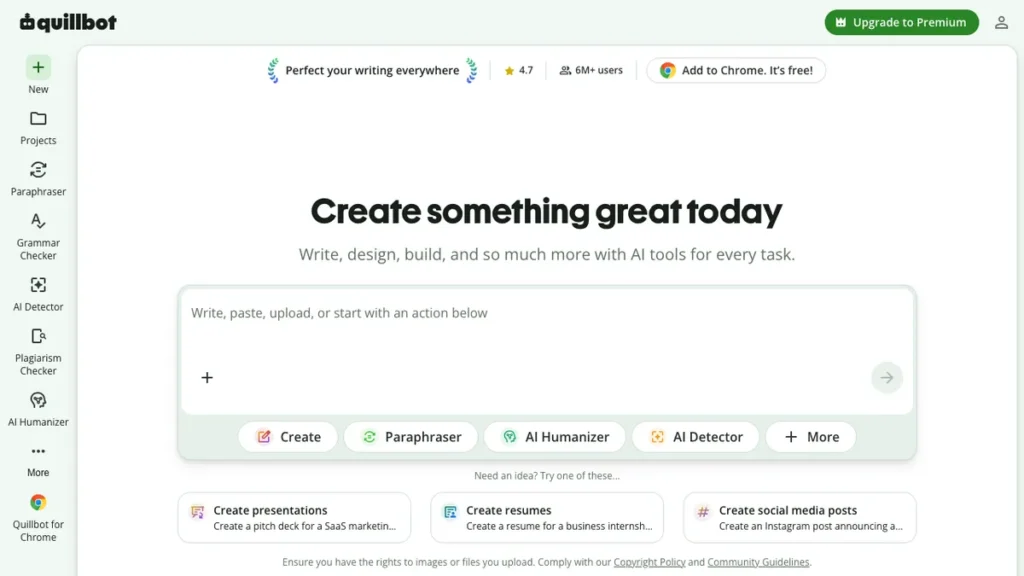
| Student or academic writing | QuillBot + Grammarly Free | ~$10 |
| Solo blogger or freelancer | ChatGPT Plus or Claude Pro alone | ~$20 |
| Fiction writer | A fiction-trained drafting tool + Grammarly | ~$31 |
| Marketing professional or small team | Jasper or Copy.ai + Grammarly | ~$61 |
| SEO-focused content operation | General AI writer + dedicated SEO platform | Varies, often $60+ |
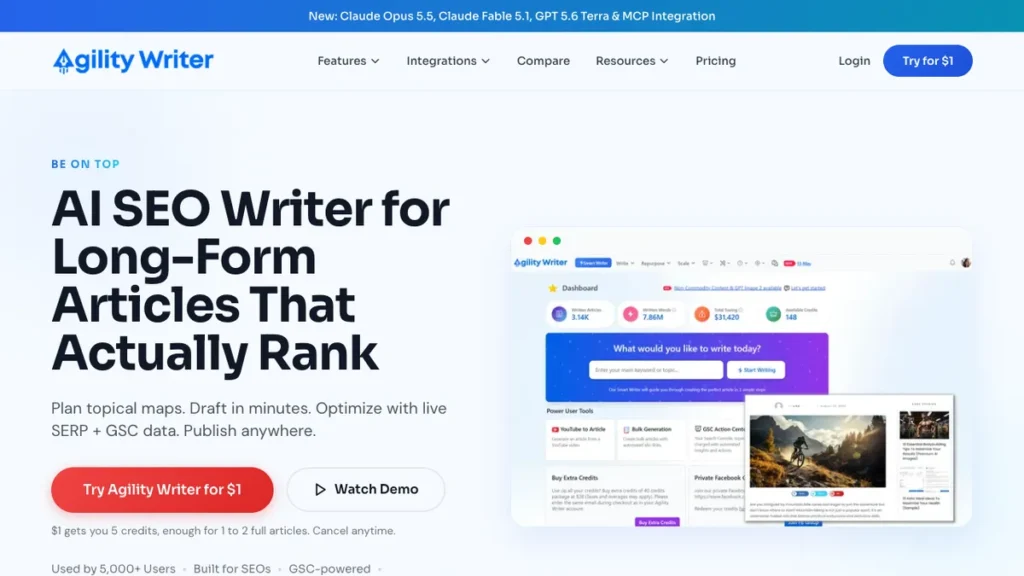
An SEO-focused content operation is usually the one case where a single all-in-one subscription falls short. A general writing assistant handles the drafting, but ranking content still needs keyword data, SERP analysis, and content briefs that most writing tools don’t build in. This Agility Writer review covers six months of testing 35 different AI writing tools against a real content operation, and it lands on a similar point: the combination of tools matters more than any single subscription’s feature list.
Deciding whether to upgrade
| Situation | Recommendation | Why |
|---|---|---|
| Writing occasionally, a few pieces a month | Stay free | Free tiers comfortably cover this volume without hitting caps |
| Publishing 5 or more long-form pieces monthly | Upgrade to a paid general assistant | Free rate limits and word caps become a real bottleneck at this volume |
| Leading a team that needs consistent brand voice | Consider a specialized tool like Jasper | Brand voice training is a genuine workflow feature that free and general tools don’t replicate well |
| Writing occasionally, with quality as the only concern | Stay free and learn to prompt better | A sharper prompt often closes more of the quality gap than a subscription does |
| Running SEO-driven content at scale | Pair a general AI writer with a dedicated SEO platform | Neither an all-in-one free tool nor a general paid assistant includes real SEO data |
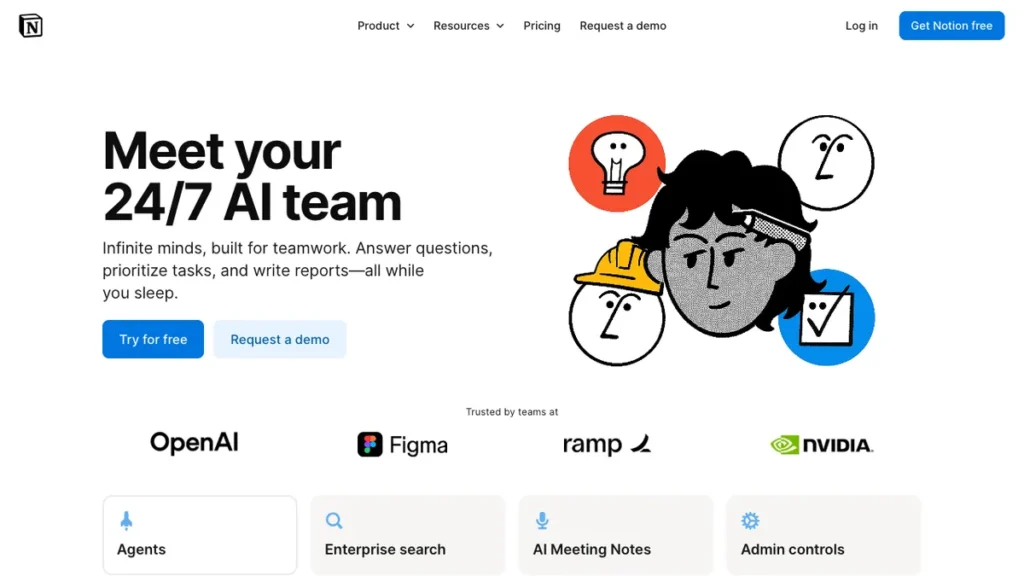
| Already working inside a platform like Notion daily | Consider the platform’s native AI add-on | Native integration saves more time than a separate standalone tool for daily users |
How to decide without overspending
Track your actual monthly writing volume for two weeks. A real count of words and pieces produced shows whether free tier caps are a genuine constraint or just a hypothetical worry.
Identify whether quality or workflow is the real bottleneck. If the output reads fine but production is slow because of rate limits, upgrading a general assistant solves that more cheaply than switching to a specialized tool.
Test a paid general assistant before a specialized tool. ChatGPT Plus or Claude Pro at $20 a month is worth ruling out before assuming a $49 to $59 specialized tool is actually necessary.
Only add a specialized tool for a feature free tools genuinely lack. Brand voice consistency across a team, or SEO data built directly into the writing process, are the features that justify a specialized tool’s premium.
Recalculate your stack’s total monthly cost periodically. Running several overlapping subscriptions, a general assistant plus a specialized writer plus a separate SEO tool, adds up fast, so check that each one still earns its place.
Reassess every few months as your volume changes. A stack that made sense at low volume may need a rethink once publishing frequency increases, and the reverse holds true if volume drops.
Conclusion
The honest answer, confirmed across multiple independent 2026 tests rather than a single opinion, is that most people don’t need to upgrade at all. Free tiers cover casual and occasional writing comfortably, and the real trigger for paying is either hitting a genuine volume limit or needing a specific workflow feature that no free tool replicates, not a belief that a paid tool simply writes better sentences.
The writers getting the best value aren’t the ones with the most expensive subscription. They’re the ones who matched their actual volume and workflow needs to the cheapest stack that genuinely covers them.
Frequently Asked Questions
Are free AI writing tools good enough?
For casual writing, brainstorming, occasional blog posts, and everyday grammar checking, yes. Several independent 2026 tests found that the free tiers of ChatGPT, Claude, and Grammarly write closely enough to their paid versions that most casual users would not notice a difference in quality.
What are the limits of free AI writing tools?
The limits are volume and missing workflow features, not text quality. ChatGPT’s free tier allows roughly 10 messages every five hours, Claude’s free usage is roughly one-fifth of Pro, Grammarly’s free plan includes about 100 AI prompts a month, and a 10,000-word monthly cap is common across free and entry-level tiers.
Is ChatGPT Plus or Claude Pro worth $20 a month?
It is worth it if you keep hitting rate limits or write regularly through the day. At $20 a month, these plans mainly remove rate caps and unlock the current flagship model, which solves the volume problem free tiers create for most individual writers.
Is Jasper worth it compared with ChatGPT or Claude?
Only for specific workflow needs. Jasper costs roughly three times as much, at $49 to $59 a month, and its value is brand voice training across a team, marketing templates, and campaign coordination. Several hands-on tests found a well-prompted ChatGPT Plus or Claude Pro session writes comparably for most single-writer tasks.
When should I upgrade from a free AI writing tool?
Upgrade when you hit a real volume ceiling or need a feature no free tool offers, such as brand voice consistency or built-in SEO data. A practical trigger is publishing five or more long-form pieces a month. If you write occasionally, staying free and improving your prompts is usually the better move.
What is the cheapest AI writing stack that works?
For occasional writing, ChatGPT Free plus Grammarly Free costs $0. Students can add QuillBot for about $10 a month. A solo blogger or freelancer is usually well served by ChatGPT Plus or Claude Pro alone at around $20 a month.
Do I need a separate SEO tool alongside an AI writer?
For SEO-driven content, yes. A general writing assistant handles drafting, but ranking content needs keyword data, SERP analysis, and content briefs that most writing tools do not include, so pairing a general AI writer with a dedicated SEO platform is the usual approach.
You may also like
- 7 Best AI Tools for Freelancers: Tools suited to a solo writer building a cost-effective stack without a team budget.
- 9 Best AI Content Automation Tools for Agencies: Tools for scaling content production once a writing stack is settled.
- 10 Best AI Tools for Beginners With No Coding Skills: A starting point for anyone building their first AI writing workflow from scratch.