
Three AI platforms, three $20-ish monthly plans, three genuinely different tools. That’s the strange part of picking an AI assistant for your business in 2026: the price tags are nearly identical, but what you get for that money is not. Pick the one that doesn’t match how your team actually works, and the real cost shows up later, in wasted hours, duplicate subscriptions, or a workflow that never quite fits.
This comparison looks at ChatGPT, Claude, and Gemini across the areas that matter for daily business use: writing, coding, research, integrations, and pricing. The goal isn’t to crown one universal winner. It’s to help you figure out which platform actually fits the work your team does.
Key takeaways
- All three paid tiers sit within a dollar of each other at roughly $20 a month, so cost alone won’t tell you which platform to pick.
- ChatGPT covers the widest range of tasks in one subscription: writing, images, voice, and data analysis.
- Claude stands out for long-document work and coding-heavy workflows, backed by a 1 million token context window.
- Gemini’s biggest edge is ecosystem fit. It lives inside Gmail, Docs, Sheets, and Android at no extra integration cost.
- Many businesses end up running more than one platform, splitting tasks by team or use case rather than forcing one tool to do everything.
Three years ago, choosing an AI assistant for a business meant picking ChatGPT and moving on. That’s no longer true. All three platforms have matured into distinct products priced almost identically, which makes the decision harder, not easier.
Writing and content creation
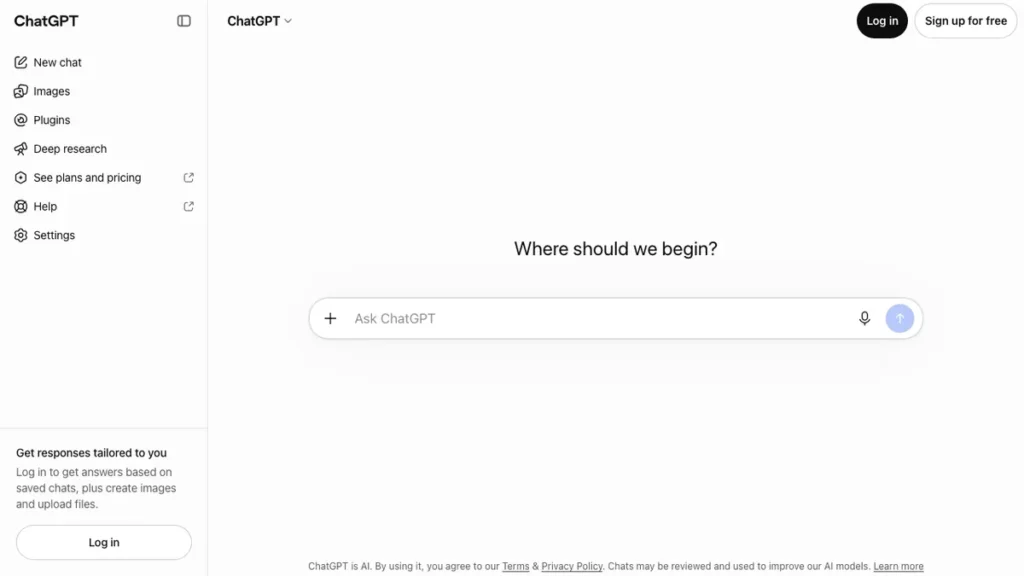
ChatGPT remains the most versatile option for general business writing. It handles everything from marketing copy to internal documentation with consistent tone control, and its memory feature carries a client’s style preferences across sessions so you’re not re-explaining context every time you open a new chat.
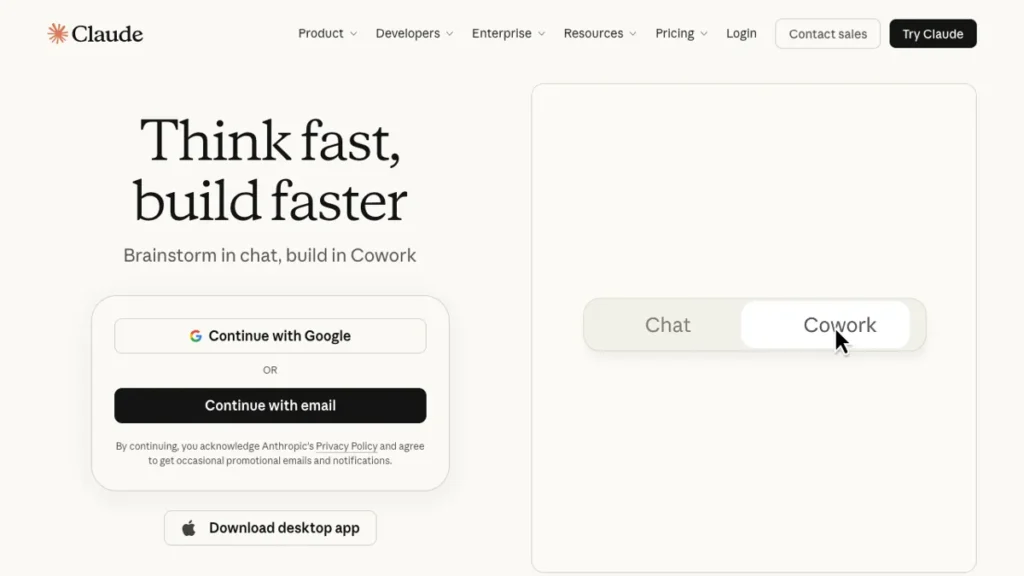
Claude produces more careful, nuanced long-form writing, especially in documents that need to hold their tone across many pages. That’s a real advantage for businesses producing lengthy reports, proposals, or documentation where consistency matters more than speed.
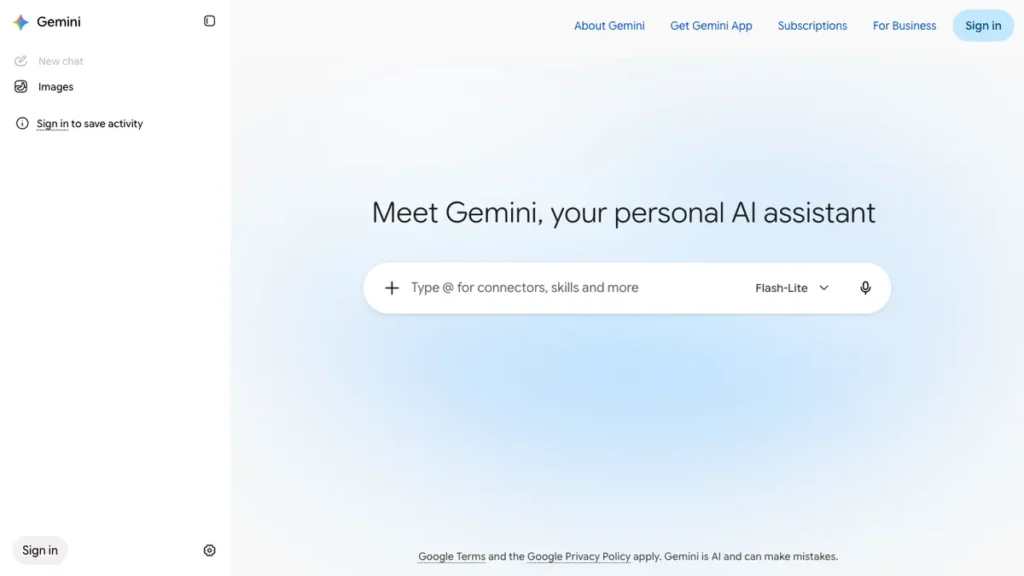
Gemini has closed much of the gap in writing quality over the past couple of years. Its native integration with Google Docs makes it the more convenient choice for teams already drafting inside Google Workspace, even if the prose itself still reads a notch more functional than Claude’s.
Coding and technical work
Claude has built a strong reputation for coding-heavy workflows, including large refactors and agentic coding tasks. Anthropic structured Claude Code usage on the Pro plan to draw from a separate monthly credit pool, so it doesn’t compete with general chat usage the way some other platforms’ coding tools do.
ChatGPT remains a solid all-around coding assistant, particularly for developers who want one subscription that covers both technical work and general business tasks like writing and research without switching tools mid-project.
Gemini handles lighter coding tasks reasonably well and benefits from tight integration with Google’s developer tools, though it’s rarely the first choice for teams doing heavy, sustained development work.
Research and data analysis
Claude’s native 1 million token context window, and its ability to handle documents up to roughly 1,000 pages per file, suits research-heavy and document-dense workloads directly. That matters for teams comparing lengthy contracts or reports side by side.
Gemini’s context window is technically larger, up to 2 million tokens, but a practical limit on files per prompt means Claude’s document handling often ends up more directly usable for real business research despite the smaller headline number.
ChatGPT handles research and summarization competently and pairs well with web browsing for real-time information. It’s a reasonable generalist choice when research is one task among several rather than the primary daily workload.
Integrations and workflow fit
Gemini’s clearest advantage is ecosystem integration. It lives directly inside Gmail, Docs, Sheets, and Android at no additional cost beyond the subscription itself, which matters a lot for a business already standardized on Google Workspace.
ChatGPT offers the broadest range of standalone capabilities in one subscription: image generation, voice mode, data analysis, and web browsing, without requiring a business to already live inside a specific software ecosystem to get full value.
Claude’s integrations lean more toward development environments and business tools accessed through its API and Projects feature, which suits teams building custom workflows around Claude rather than expecting deep native integration with a broader productivity suite. A team wiring several tools together through a no-code automation platform will still need to plug Claude in at the API layer, since it doesn’t hand you that connective layer out of the box the way Gemini’s Workspace integration does.
Pricing for business use
All three platforms price their core paid tier within a dollar of each other: ChatGPT Plus at $20 a month, Claude Pro at $20 a month, and Google AI Pro at $19.99 a month. That makes raw subscription cost nearly irrelevant to the decision on its own.
Team and enterprise pricing diverges more. Claude Team runs $30 per user per month, while ChatGPT and Google both offer separate business tiers with their own admin controls and compliance features. Confirm current numbers directly on each provider’s pricing page, since all three have adjusted pricing more than once in the past year.
Heavier users should check usage-based add-ons carefully. Claude Code’s separate credit pool and Google AI Ultra’s tiered structure can both push the effective monthly cost well above the advertised entry price for high-volume use.
Which one actually fits your business
The honest answer is that many businesses end up using more than one platform, since the three solve different problems well enough that a single subscription rarely covers every need.
Broad, general business use across writing, images, and voice: ChatGPT Plus remains the single subscription that covers the widest range of tasks without needing a second tool.
Document-heavy research, coding, or long-form writing: Claude Pro’s context window and writing consistency suit this kind of sustained, detail-heavy work best.
Already standardized on Google Workspace: Google AI Pro delivers the most value specifically because it’s already built into tools your business uses daily, at no extra integration cost.
Running both a marketing team and a development team: pairing ChatGPT for general business content with Claude for the engineering team’s coding work is a common split, and often a more reasonable one than forcing a single platform to serve both well.
On a tight budget and still testing: all three offer meaningfully useful free tiers in 2026. Testing each on a real daily task for a week reveals more than reading another comparison ever will.
Whichever platform you land on, that choice sits inside a larger AI marketing roadmap that also covers content production, automation, and lead generation, not just which chatbot answers your emails.
How to choose between the three for your team
Step 1: List your team’s three most common AI-assisted tasks. Writing, coding, research, or data analysis each point toward a different platform’s actual strength.
Step 2: Check what software your team already lives inside. Heavy Google Workspace users get more practical value from Gemini’s native integration than a competing model’s benchmark scores suggest.
Step 3: Test the free tier on a real task, not a demo prompt. All three free tiers in 2026 are capable enough to show whether a platform fits actual daily work before you spend anything.
Step 4: Confirm current team or enterprise pricing directly. Pricing across all three has changed multiple times in the past year, so verify current numbers on the official pricing page rather than relying on last year’s figures.
Step 5: Consider running two subscriptions if your team splits by function. A marketing team and an engineering team often have genuinely different needs, and one subscription per function can be more cost-effective than a compromise platform serving both badly.
Step 6: Reassess every few months. All three companies have shifted pricing and released new model versions repeatedly in 2026, so a choice that fit six months ago is worth revisiting rather than treated as permanent.
Conclusion
No single platform here is a universal best choice, and any comparison claiming otherwise is oversimplifying a decision that depends heavily on what your business actually does. ChatGPT wins on breadth, Claude wins on depth for coding and long documents, and Gemini wins for teams already living inside Google’s ecosystem.
The businesses getting the most out of these tools are usually the ones matching the platform to the task in front of them, rather than picking one brand and forcing every use case to fit it.
Frequently Asked Questions
Which is better for business in 2026, ChatGPT, Claude or Gemini?
None is a universal winner. ChatGPT wins on breadth, covering writing, images, voice, and data analysis in one subscription. Claude wins on depth for coding and long documents. Gemini wins for teams already working inside Google Workspace. Match the platform to your team’s most common tasks.
How much do ChatGPT, Claude and Gemini cost?
The core paid tiers are nearly identical: ChatGPT Plus at $20 a month, Claude Pro at $20 a month, and Google AI Pro at $19.99 a month. Team tiers differ more, with Claude Team at $30 per user a month. Confirm current prices on each provider’s pricing page, since all three have changed pricing more than once in the past year.
Which AI is best for coding?
Claude has built the strongest reputation for coding-heavy work, including large refactors and agentic coding. Its Claude Code usage on the Pro plan draws from a separate monthly credit pool. ChatGPT is a solid all-around coding assistant, and Gemini handles lighter coding tasks but is rarely the first choice for sustained development.
Which AI is best for research and long documents?
Claude. Its 1 million token context window and ability to handle documents of roughly 1,000 pages per file suit document-dense research. Gemini’s window is technically larger at up to 2 million tokens, but a practical limit on files per prompt often makes Claude more usable for real business research.
Should my business use Gemini if we use Google Workspace?
Often yes. Gemini lives directly inside Gmail, Docs, Sheets, and Android at no extra integration cost beyond the subscription, so teams already standardized on Google Workspace get the most practical value from it.
Can a business use more than one AI platform?
Yes, and many do. A common split is ChatGPT for general business content and Claude for the engineering team’s coding work. One subscription per function can be more cost-effective than a single compromise platform serving every team badly.
Is it worth paying for an AI assistant, or are the free tiers enough?
All three offer meaningfully useful free tiers in 2026, so test each on a real daily task for a week before paying. Upgrade when you hit usage limits or need features like Claude’s long-document handling or Gemini’s Workspace integration.
You may also like
- 9 Best AI Tools for Data Analysis Without Python: a closer look at the research and analysis side of a business AI stack.
- 9 Best AI Automation Tools for Small Business: options for automating workflows once you’ve settled on a primary AI platform.
- 10 Best AI Lead Generation Tools for Small Business: tools for connecting ChatGPT, Claude, or Gemini into a broader pipeline.