
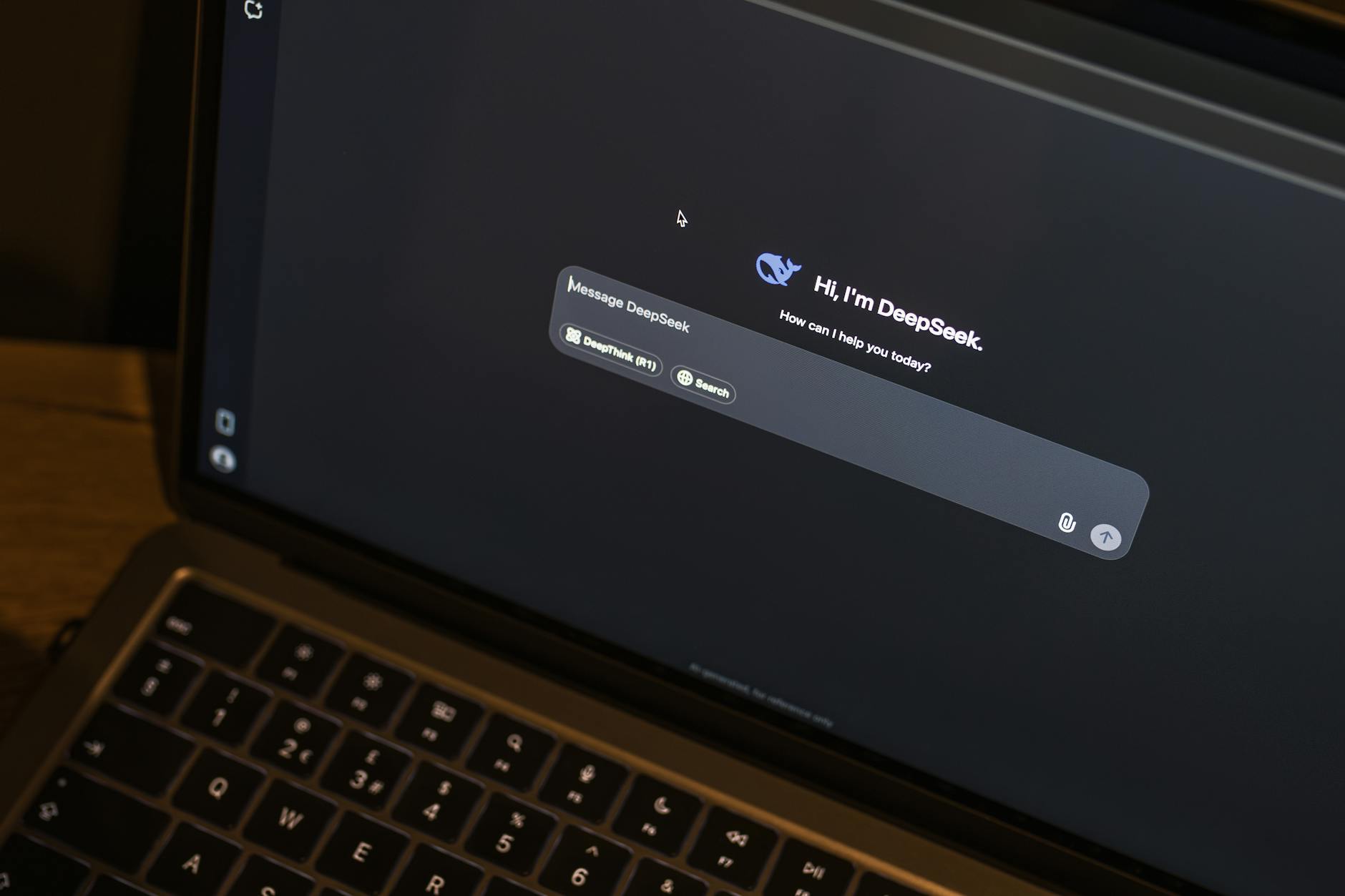
AI tools have reached a tipping point in 2026. The flood of new platforms has made it nearly impossible to separate the genuinely useful ones from the marketing hype. Experts who test these tools daily have identified the clear winners that actually deliver on their promises.
The difference between average AI tools and expert-approved ones comes down to three key factors: reliability under pressure, actual time savings, and results you can measure. These 40+ tools passed rigorous testing by professionals who stake their reputation on recommending only what works.
What Makes an AI Tool Expert-Approved
Expert approval means the tool survives real-world testing by professionals who use AI daily. These aren’t sponsored reviews or theoretical assessments. Industry experts put tools through months of practical use before making their final recommendations.
The criteria experts use to evaluate AI tools has evolved significantly this year. They focus on consistency, integration capabilities, and whether the tool actually saves time rather than creating more work.
Speed and accuracy matter most. A tool that gives brilliant results 70% of the time loses to one that gives good results 95% of the time. Professionals need reliability over occasional excellence.
Content Creation Champions
Writing assistance tools dominate the expert-approved list because they solve immediate pain points. The top performers handle everything from blog posts to technical documentation without losing your brand voice.
Claude AI leads the pack for long-form content creation. Experts praise its ability to maintain context across thousands of words without drifting off-topic. It handles complex instructions better than competitors and rarely needs multiple attempts to get tone right.
Jasper remains the go-to choice for marketing copy. Its template system and brand voice training make it particularly valuable for teams. The tool learns your style preferences and applies them consistently across different content types.
Copy.ai has earned expert approval for its collaborative features. Teams can work together on campaigns, share templates, and maintain consistent messaging across all marketing materials.
Visual Creation Powerhouses
Image generation tools have matured dramatically, with several now producing professional-quality results consistently. The expert favorites combine artistic capability with practical business applications.
Midjourney V7 sets the standard for artistic image creation. Experts appreciate its improved prompt understanding and the ability to maintain consistent character designs across multiple images. The quality improvement over previous versions is substantial.
DALL-E 4 excels at photorealistic images and product mockups. Marketing professionals particularly value its ability to create lifestyle shots and product photography without expensive photo shoots.
Canva’s AI features have impressed experts with their integration into existing design workflows. The Magic Design tools help non-designers create professional materials quickly while maintaining brand consistency.
Business Automation All-Stars
Workflow automation tools that actually work have become essential for growing businesses. The expert-approved options reduce manual work without requiring technical expertise to implement.
Zapier’s AI additions have made complex automation accessible to regular users. Experts love how it suggests automation workflows based on your existing tools and processes. Setup time has dropped from hours to minutes for common tasks.
Motion AI has revolutionized project management by automatically scheduling tasks based on priority, deadlines, and team capacity. Teams report saving 3-4 hours per week on project coordination alone.
Notion AI transforms note-taking and documentation. The ability to generate summaries, create action items, and organize information automatically has made it indispensable for knowledge work.
Customer Service Game-Changers
AI customer service tools have reached the point where they handle complex inquiries without frustrating customers. The expert-approved solutions integrate smoothly with existing support systems.
Intercom’s Resolution Bot now resolves 60-70% of common inquiries without human intervention. Experts praise its ability to escalate appropriately when it encounters issues beyond its capabilities.
Zendesk’s Answer Bot has improved significantly in understanding context and providing relevant solutions. Support teams report higher customer satisfaction scores when the AI handles initial interactions.
LiveChat’s ChatBot creates personalized responses based on customer history and current context. The handoff to human agents feels natural when needed.
Development and Technical Tools
Programming assistance tools have become standard equipment for development teams. The expert-approved options actually speed up development without introducing security risks.
GitHub Copilot X continues to lead in code completion and generation. Developers report writing 40-50% less boilerplate code while maintaining quality standards. The context awareness has improved dramatically.
Cursor AI provides a complete coding environment with integrated AI assistance. Experts appreciate how it understands entire codebases rather than just individual functions.
Replit’s AI features make coding accessible to non-programmers while providing powerful tools for experienced developers. The ability to explain code in plain English has made it valuable for teams with mixed technical skills.
Data Analysis Leaders
Business intelligence tools powered by AI have simplified data analysis for non-technical users. These tools help companies make data-driven decisions without hiring data scientists.
Tableau’s Ask Data feature lets users query databases using natural language. Business users can get answers to complex questions without writing SQL or creating custom reports.
Julius AI specializes in analyzing datasets and generating insights automatically. It identifies patterns, anomalies, and trends that human analysts might miss.
DataRobot automates the machine learning process from data preparation to model deployment. Companies can implement predictive analytics without extensive technical expertise.
Why Expert Opinion Matters More Now
The AI tool market has become crowded with similar-looking products that promise identical results. Expert testing reveals which tools actually deliver on their marketing claims under real-world conditions.
Many AI tools work well in demos but fail when handling actual business complexity. Experts test tools with messy data, tight deadlines, and demanding requirements that reveal true capabilities.
The cost of choosing wrong tools has increased. Companies that pick unreliable AI tools waste months of effort and see poor results that damage confidence in AI adoption across the organization.
Frequently Asked Questions
How do experts test AI tools before approving them?
Experts use AI tools in real business scenarios for 60-90 days minimum. They test consistency, accuracy, integration capabilities, and measure actual time savings. Tools must maintain performance under pressure and handle edge cases gracefully to earn approval.
What’s the biggest difference between expert-approved tools and popular ones?
Expert-approved tools prioritize reliability and practical results over flashy features. Popular tools often gain attention through marketing, while expert choices focus on consistent performance and genuine business value. Experts care more about tools that work every day than ones that occasionally produce amazing results.
Are expensive AI tools always better than cheaper alternatives?
Price doesn’t determine quality in AI tools. Many expert-approved options cost under $50 per month, while some expensive enterprise tools provide poor value. Experts evaluate tools based on results per dollar spent, not absolute price. Free and low-cost tools often outperform premium alternatives for specific use cases.
How often do expert recommendations change for AI tools?
Expert recommendations shift every 3-6 months as AI tools improve rapidly. New features, better accuracy, and improved integration capabilities can quickly change rankings. Tools that were top choices six months ago might lose expert approval if they fall behind competitors. Regular reassessment ensures recommendations stay current.
Should small businesses use the same AI tools as large companies?
Small businesses often benefit from different AI tools than enterprises. Expert recommendations consider company size, technical expertise, and budget constraints. Simple, affordable tools that require minimal setup often serve small businesses better than complex enterprise solutions. Experts provide guidance based on business scale and needs.