
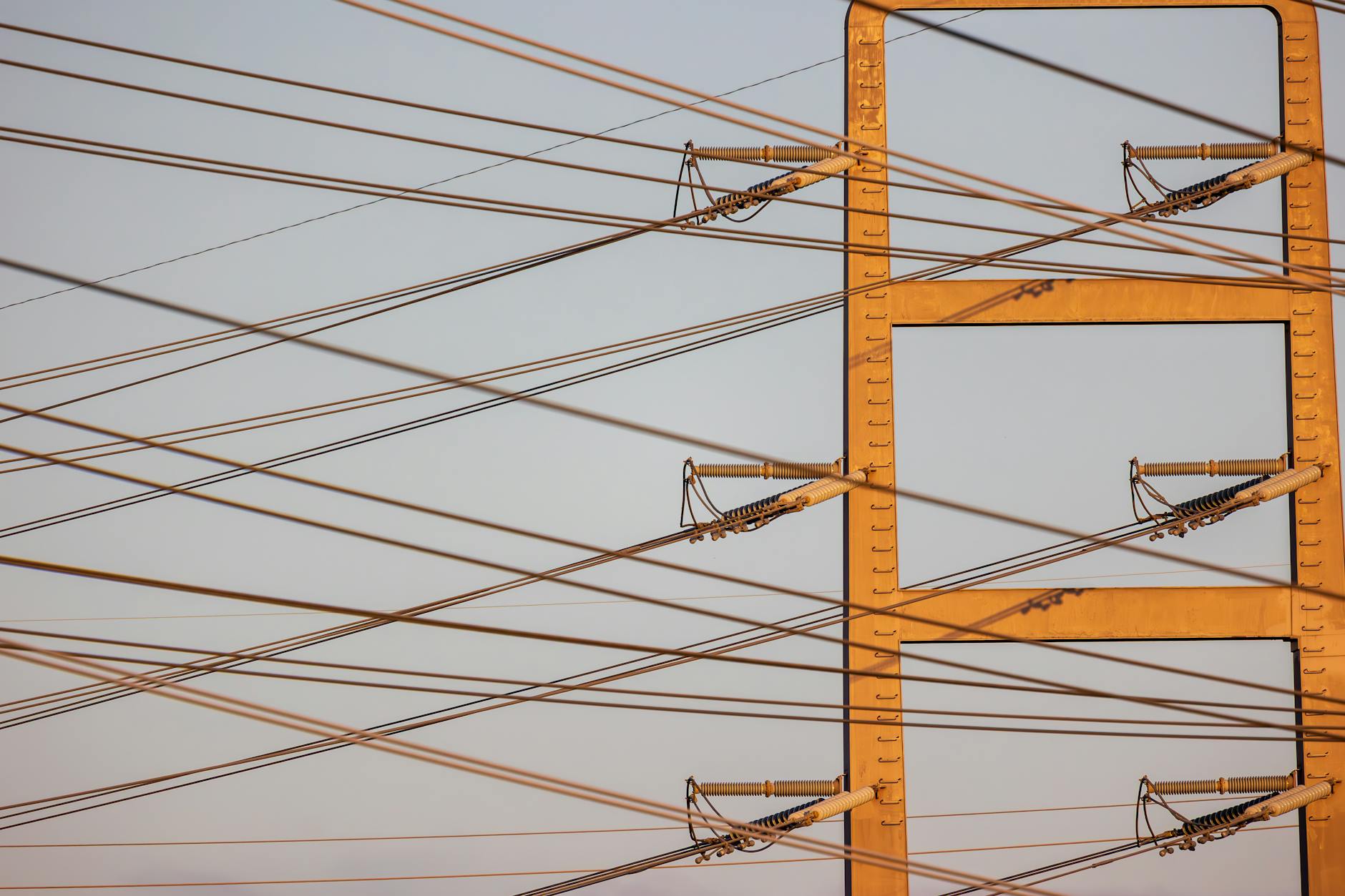
Tech vacation destinations are facing an energy crisis that nobody saw coming. Popular getaway spots for Silicon Valley professionals and tech workers are scrambling to find new power sources just as artificial intelligence systems are making electricity more expensive than ever.
The timing couldn’t be worse. These scenic locations that became remote work havens during the pandemic are now dealing with skyrocketing energy costs. Local utilities are struggling to keep up with demand while AI data centers nearby consume massive amounts of power.
What Changed in Tech Vacation Spots
Lake Tahoe, Aspen, Jackson Hole, and similar destinations transformed into year-round tech hubs over the past few years. What started as temporary remote work locations became permanent second homes and co-working spaces for tech professionals.
These areas weren’t built to handle the energy demands of modern tech infrastructure. High-speed internet, multiple devices, electric vehicle charging stations, and smart home systems all require substantial power. The local electrical grids simply weren’t designed for this level of consumption.
Now AI is making everything worse. Machine learning models, cloud computing, and AI-powered applications consume enormous amounts of electricity. When tech workers run AI tools from their mountain retreats, they’re adding to an already strained system.
Data centers supporting these AI applications often locate near cheap power sources. But that cheap power is becoming expensive as demand explodes. The cost gets passed down to everyone, including vacation spot residents.
Why AI Is Driving Energy Prices Higher
Training a single large language model can cost millions of dollars in electricity alone. Running ChatGPT-style applications requires constant power to keep servers running. Every AI query, image generation, or code completion uses energy.
The numbers are staggering. AI workloads use 10 to 20 times more energy than traditional computing tasks. As more companies adopt AI tools, the power demand keeps growing exponentially.
Tech vacation spots feel this impact directly. When local professionals use AI tools and applications for work, they’re contributing to regional power strain. The beautiful mountain towns and coastal areas that attracted tech workers are now paying the price.
Renewable energy sources can’t keep up with the rapid growth. Solar and wind farms take years to build and approve. Meanwhile, AI adoption happens in months, not years.
Who Is Getting Hit the Hardest
Local residents are seeing their electricity bills double or triple in some areas. Fixed-income retirees who moved to these locations for the scenery now face impossible choices between heating and cooling their homes.
Small businesses are struggling too. Coffee shops that became impromptu co-working spaces for tech nomads now face crushing utility costs. Restaurants with outdoor heating systems can barely afford to stay open during shoulder seasons.
Property owners are caught in the middle. They invested in vacation rentals expecting steady tech worker demand. Now they’re dealing with angry guests who complain about high resort fees that cover increased energy costs.
Even the tech workers themselves are feeling the pinch. Higher living costs in their favorite vacation spots mean longer stays become unaffordable. Some are abandoning their mountain offices and returning to traditional cities.
Current Solutions and Workarounds
Some communities are exploring microgrids and local renewable energy projects. These small-scale solutions can reduce dependence on regional utilities, but they take time and money to implement.
Smart energy management systems help optimize power usage. These AI-powered tools (ironically) can reduce overall consumption by automatically adjusting heating, cooling, and device usage based on real-time pricing.
Time-of-use pricing encourages people to shift their energy consumption to off-peak hours. Tech workers can schedule AI model training and large downloads for times when electricity costs less.
Battery storage systems let properties store cheap power during low-demand periods. Tesla Powerwalls and similar technologies help smooth out the peaks and valleys of energy pricing.
What Tech Workers Can Do Right Now
Monitor your AI tool usage and try to batch operations during off-peak hours. Instead of running multiple AI queries throughout the day, collect your requests and process them together when electricity rates are lower.
Choose vacation rentals with solar panels or other renewable energy sources. These properties often have more stable energy costs and smaller environmental footprints.
Consider shorter stays in high-cost areas. Weekend trips might make more financial sense than month-long remote work arrangements. You can still enjoy these beautiful locations without breaking the budget.
Look into alternative destinations with better energy infrastructure. Some tech-friendly cities have invested heavily in renewable power and can handle increased demand more easily.
Support local renewable energy initiatives. Many communities are crowdfunding solar projects or wind farms that could help stabilize long-term energy costs.
The Future of Energy in Tech Destinations
This crisis is forcing rapid innovation in local energy systems. Communities that solve these problems first will have competitive advantages in attracting tech workers and digital nomads.
Federal and state governments are starting to notice. New funding programs target rural and vacation area energy infrastructure improvements. Some locations might see significant upgrades in the next few years.
AI companies are also feeling pressure to address their energy consumption. More efficient algorithms, better hardware, and edge computing could reduce the overall power demand from AI applications.
The vacation spots that thrive will be those that balance tech worker needs with sustainable energy practices. They’ll need creative solutions that don’t price out local residents or businesses.
Frequently Asked Questions
How much more energy do AI applications really use compared to regular computing?
AI applications typically use 10 to 20 times more energy than traditional software. A single AI image generation might consume as much power as running a smartphone for several hours. The exact amount depends on the model size and complexity of the task.
Are tech vacation spots actually losing residents because of high energy costs?
Yes, some long-time residents are relocating due to unaffordable utility bills. Areas like Lake Tahoe and Jackson Hole have seen local families move to less expensive communities. The displacement is happening gradually but steadily.
Can renewable energy solve the power shortage in these destinations?
Renewable energy helps, but it takes years to build sufficient capacity. Most vacation destinations have geographic constraints that limit large solar or wind installations. Battery storage and grid improvements are equally important for managing demand spikes.
Will energy costs force tech companies to change their remote work policies?
Some companies are already adjusting their location allowances and remote work stipends to account for higher living costs. Others are encouraging employees to choose destinations with better energy infrastructure. The trend toward distributed work continues, but location choices are becoming more strategic.
What’s the cheapest way for individuals to reduce AI-related energy costs?
Use AI tools during off-peak hours when electricity rates are lowest, typically late at night or early morning. Batch your AI requests instead of making them throughout the day. Choose energy-efficient devices and enable power management settings on all your equipment.